On how to make the most of your art lessons:
8 Ways to Learn from a Demo and Put It into Practice
By Kate Kern Mundie
I once read about a music teacher who teaches students how to practice, not just what to practice. Most students do not know how to drill something on their own.
I did not know how to practice piano as a kid. Being told to go practice is different from being taught how to work through a music piece. I was not taught how to practice art either. I kept at it and learned more by accident than intention.
We assume visible skills need direct teaching — mixing color, holding a brush, seeing value. We assume that invisible skills, like how to practice and how to watch a demo and pull something usable from it, will develop on their own. Here are some steps to help you learn from a demo.
1. Watching is a skill, not something automatic.
You can watch someone paint for twenty minutes and walk away with nothing, because you do not know what to look for. Watching with intent needs to be built like any other skill.
2. Decide what to look for before the demo starts.
How is the artist using their tools? How much drawing happened before paint went down? Is the artist describing what they are doing, or what they are thinking? Decide in advance which one or two things you are watching for, based on where you need to grow. Trying to absorb everything in the demo is overwhelming. Note the tools or paint but watch the thinking behind them.
3. Ask questions about reasoning, not questions that ask for the answer.
“How do you mix that color” asks for a prescription. “Why did you choose that color for there” makes the reasoning visible. This is advice you can reuse. A recipe gets you through today’s painting. A principle gets you through every painting after.
Enjoying this story? Sign up for the Plein Air Today newsletter to stay in the know!
4. Do exercises that do not look like art.
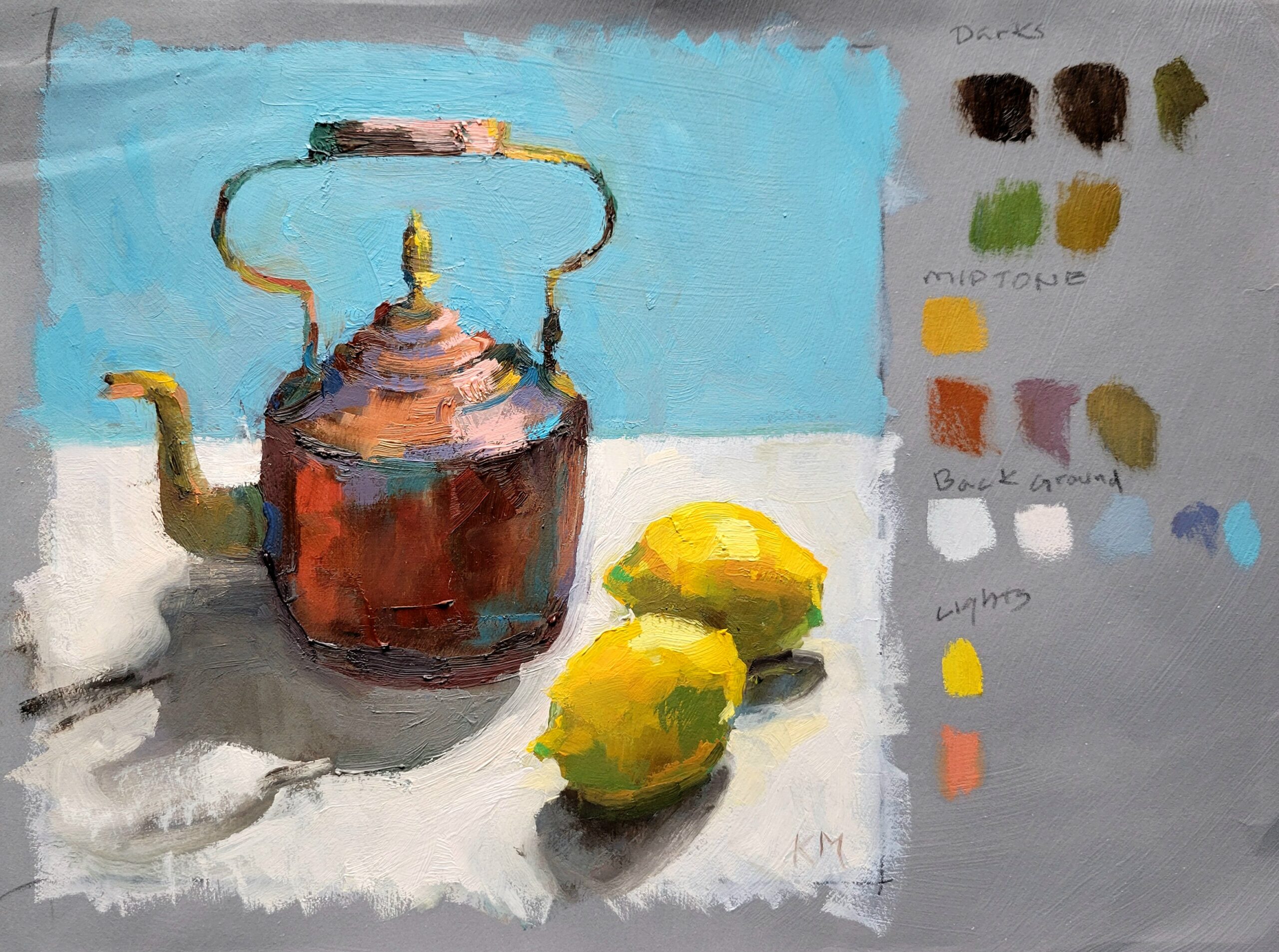
Color strips, value scales, thumbnails — these feel like a detour from real work. They are closer to a musician’s scales than the finished piece. Skipping the unglamorous repetition will slow your growth.
5. Go back to easy things on purpose.
Musicians often replay pieces they have already learned, not to relearn them, but because playing without the pressure of something new is where tone and control deepen. Revisit an early exercise occasionally and notice what is different now.
6. Let a demo be a demo, and a lesson be a lesson.
A demo is something you watch. A lesson is something you do, with correction in real time. If you need hands-on correction, ask for it specifically — do not expect a demo to provide it. As an adult, I have learned to turn what I observe in a demo into a lesson for myself. For example, many oil demo artists mention the importance of a value scale. If you have never made your own, that is a lesson to practice.
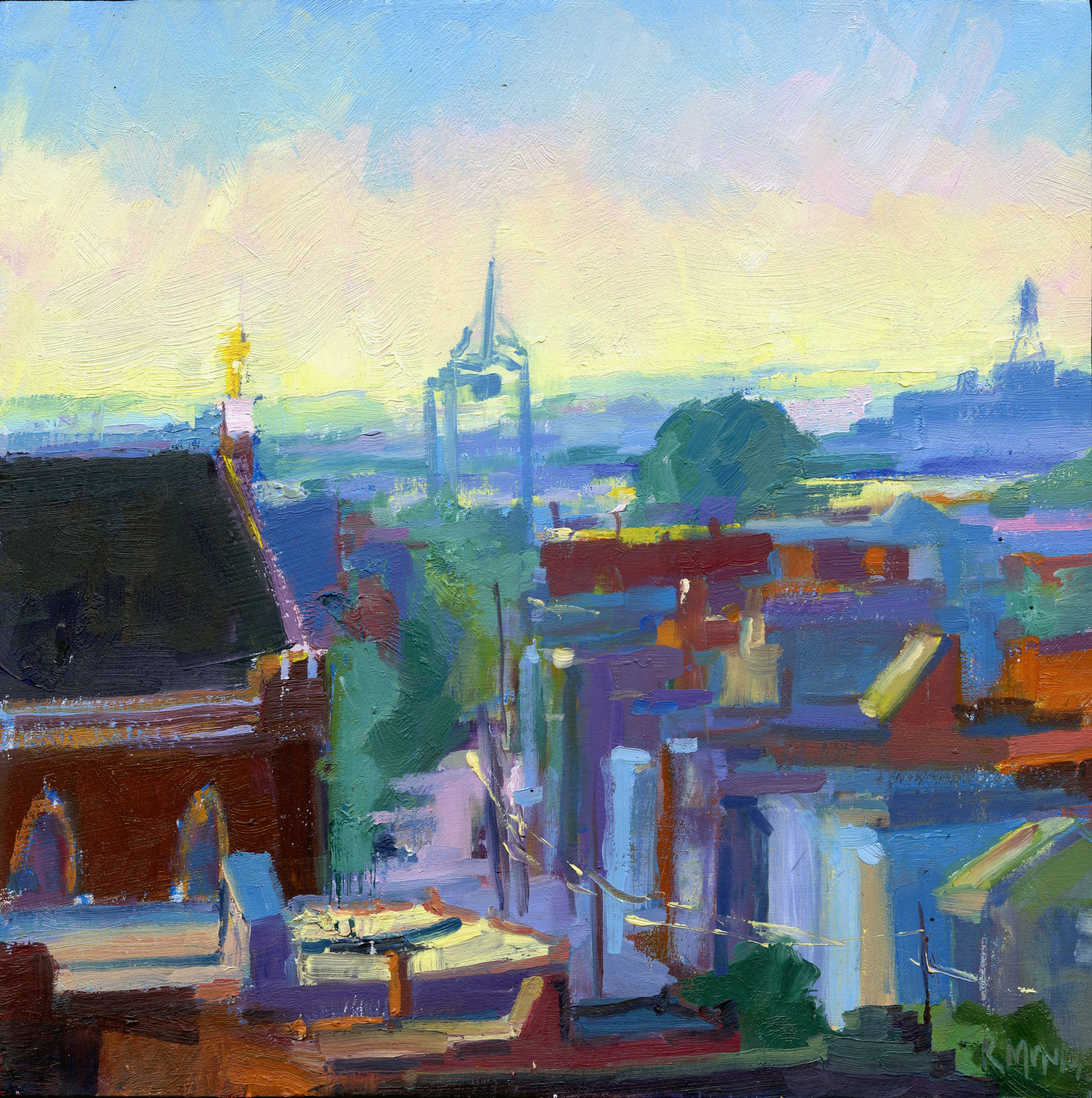
7. Let yourself do the strange motion before you understand why.
Beginning musicians spend real time on movements that look pointless before it clicks why they matter. Painting asks the same thing: hold the brush in this odd way, mix more paint than seems reasonable, draw the subject before you paint it. Trust that these steps make the process more enjoyable once the tools are understood before the creative work begins.
8. Accept that practicing itself is a skill you are allowed to be a beginner at.
If sitting down to work feels aimless or frustrating, that is not a sign you are bad at art. It is a sign that practicing is its own skill — one that usually never gets taught directly, and one you are allowed to learn on purpose.
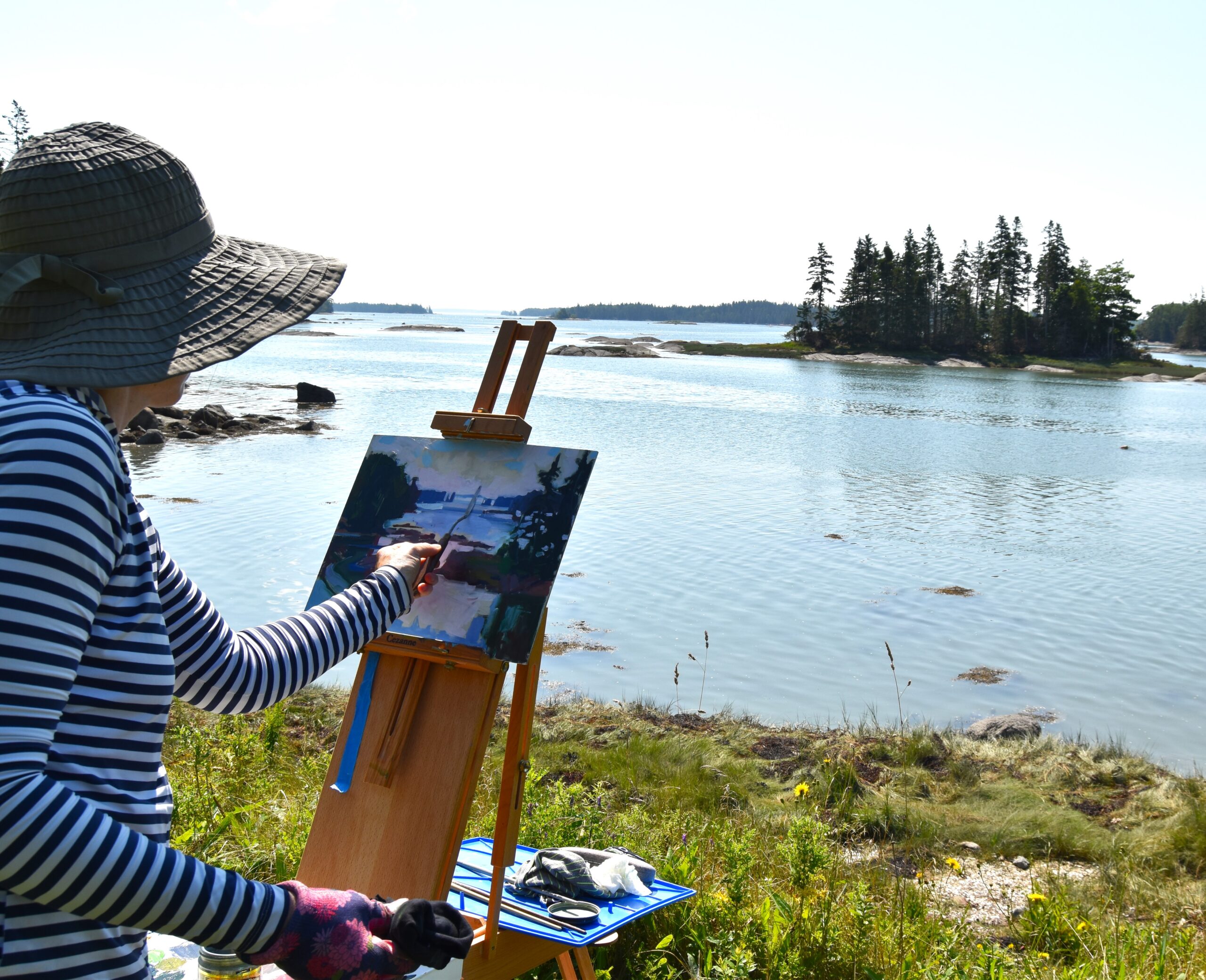
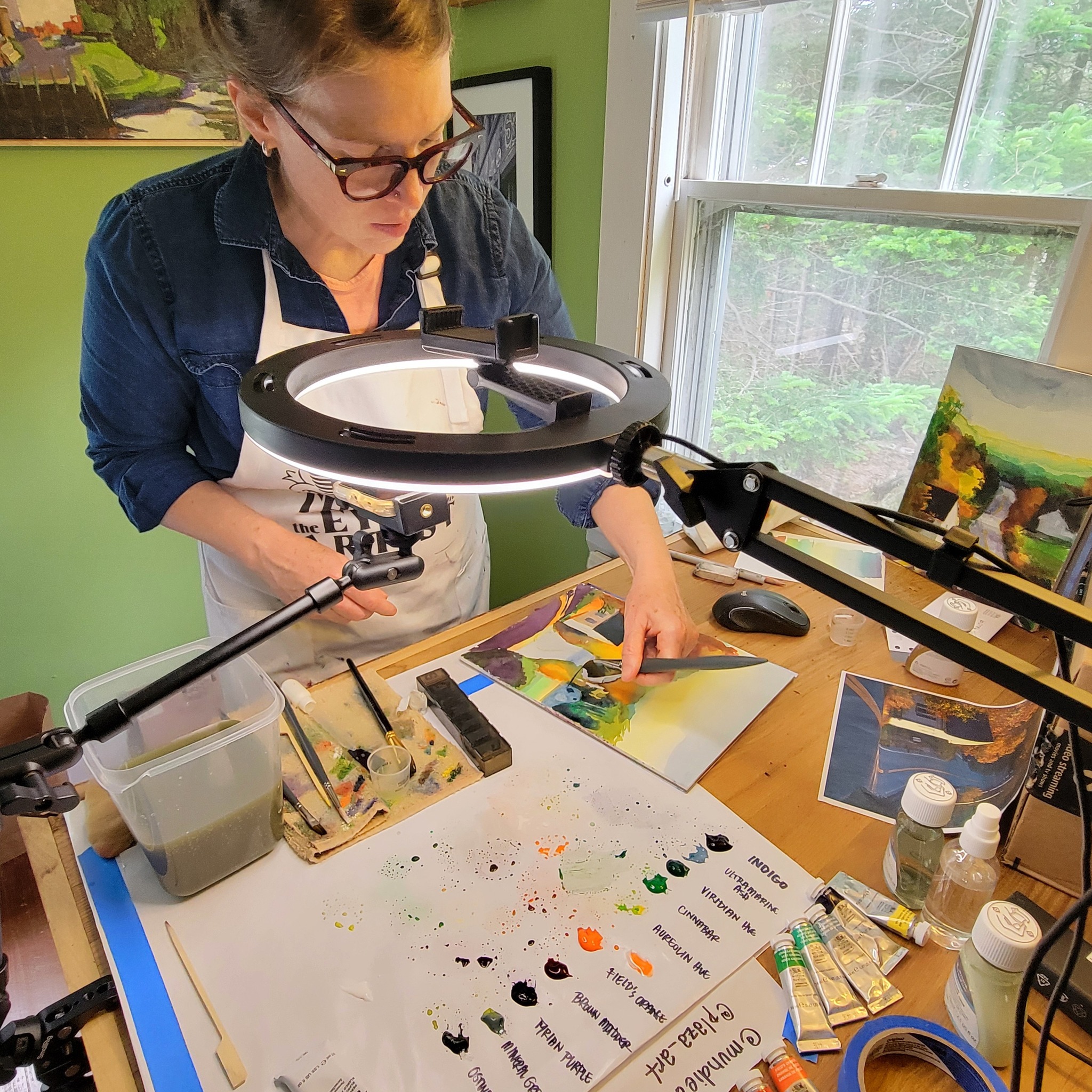
About the Artist: Kate Kern Mundie is a landscape painter and teacher based in eastern Pennsylvania and downeast Maine. She has been a practicing artist for 35 years, teaching oil, gouache, and watercolor painting, and works as a demonstration artist for Winsor & Newton. Her work is exhibited in galleries in Delaware, Pennsylvania, and Maine.
Website: www.KateKernMundie.com
Instagram: @mundieart
Looking for MORE ways to improve your painting skills?
Don’t miss your opportunity to create lifetime memories at the Plein Air Convention & Expo! All training sessions are indoors on giant, high-def screens, with incredible paint-outs in the afternoons. Beginners and pros feel right at home, so register at PleinAirConvention.com to join us.
Browse more free articles here at OutdoorPainter.com
Blog post prepared for the web by Cherie Dawn Haas, Editor of Plein Air Today