

Kevin Macpherson approaches painting through a simple, structured system, which he explains in detail in his art workshops. Here, learn the three habits you should apply now to improve your process for painting the landscape, and more.
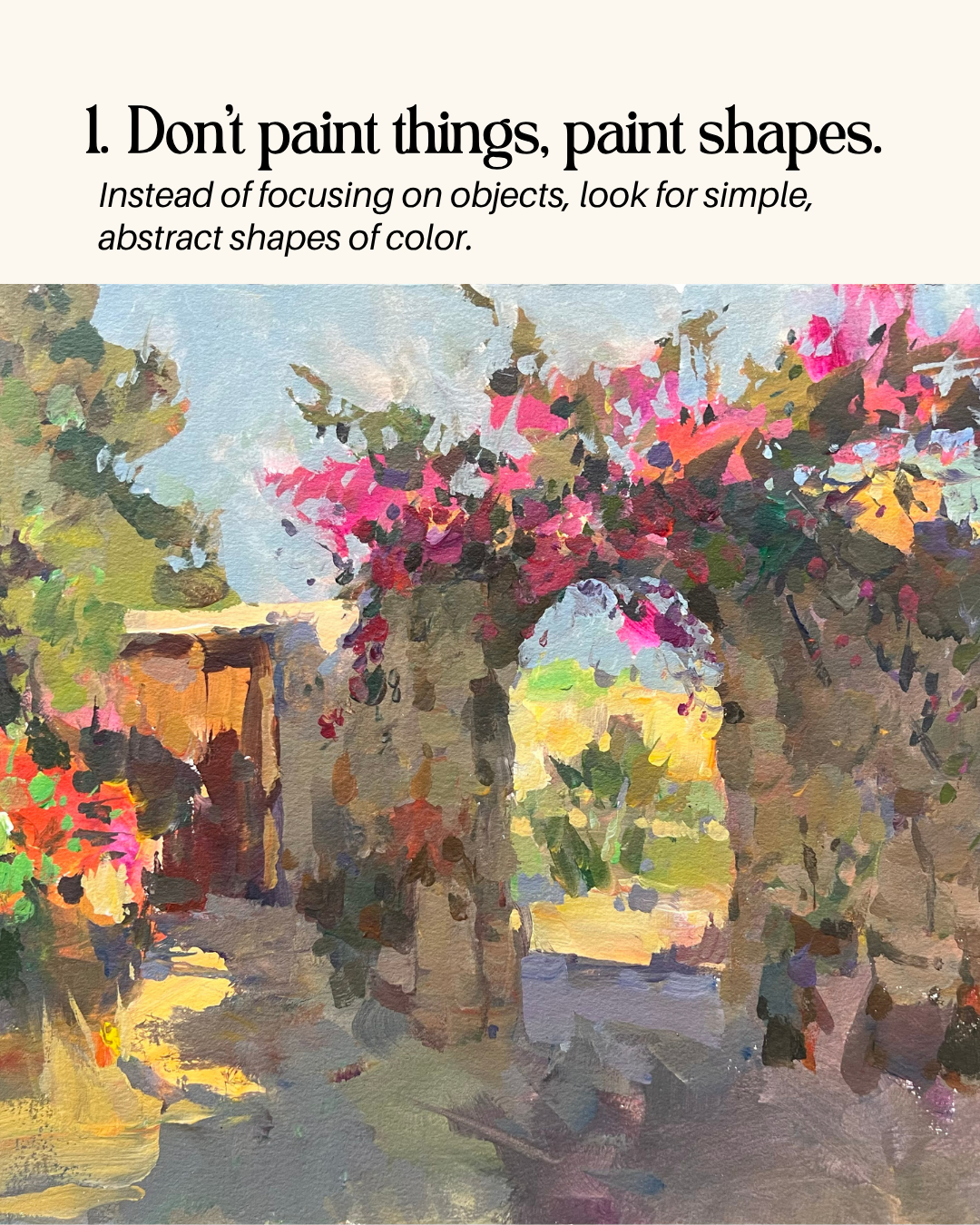
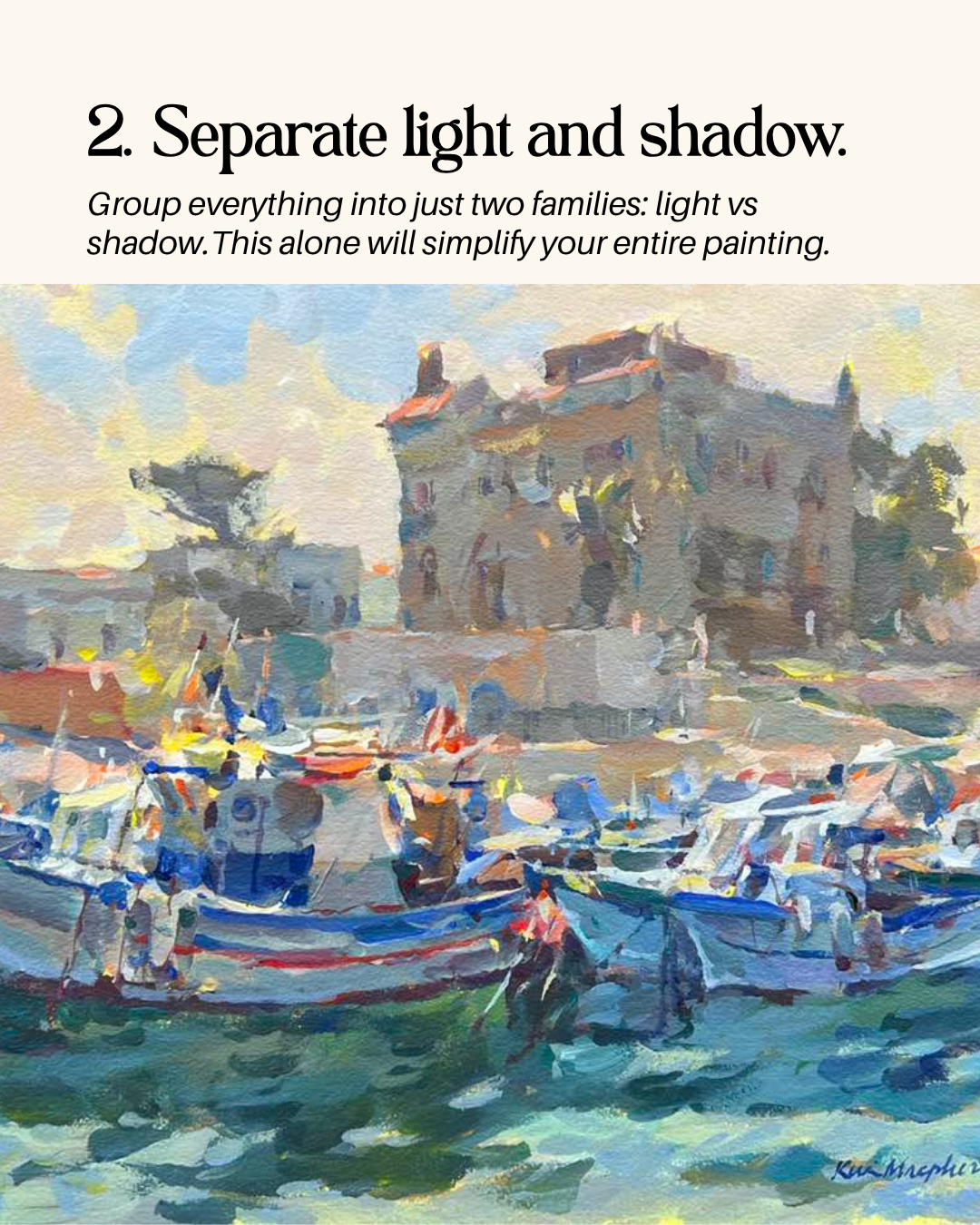
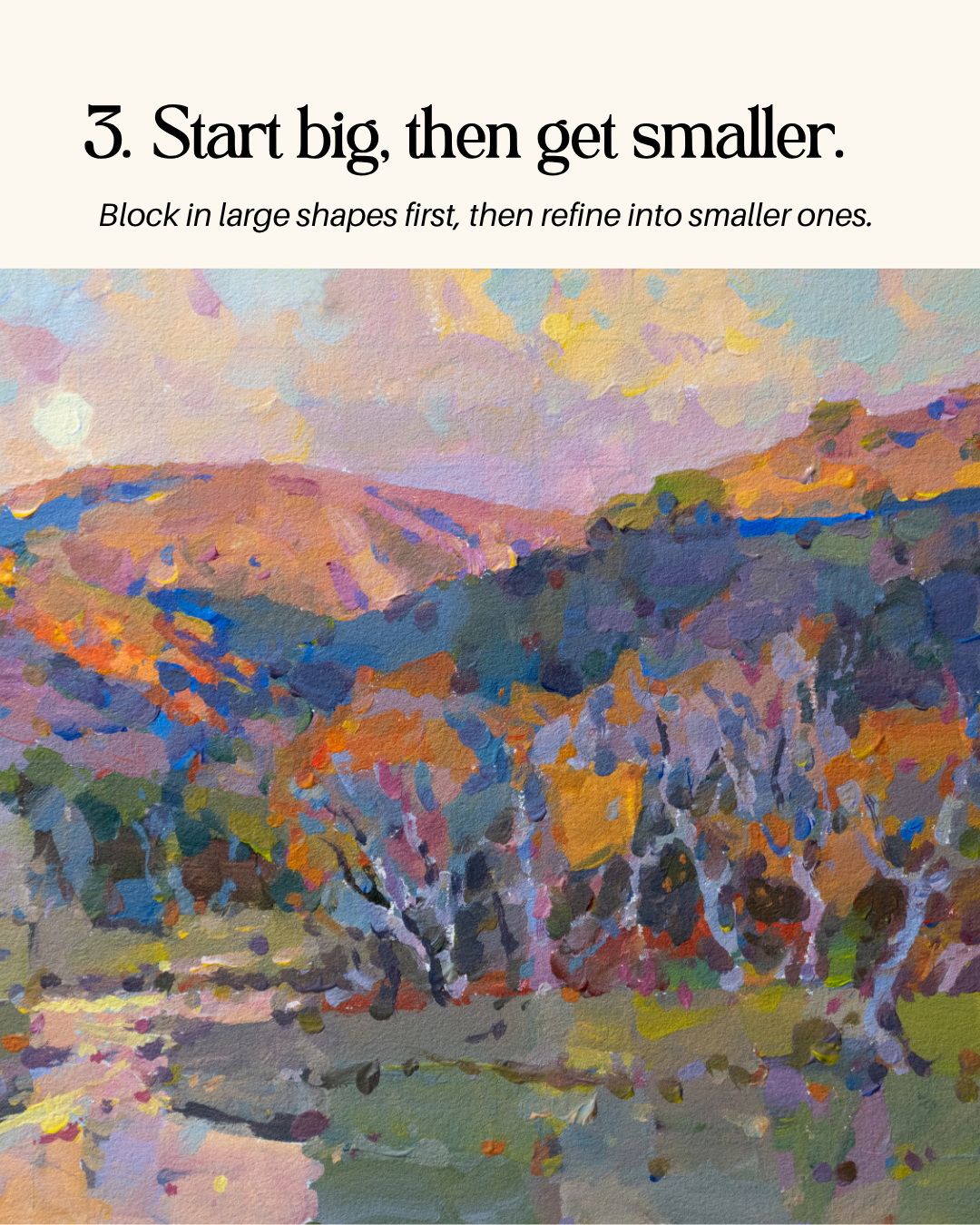
As artists, we think and see differently from the normal person. When people glance at the world and walk on, we stop. Where people see a landscape, we see fragments of light and color waiting to become a painting.
That’s the artist’s eye.
But here’s what no one talks about. Having the eye and knowing how to translate what we see to become paintings that communicate these wonders — those are two very different things.
The problem? Without the right visual language, your paintings could keep feeling flat. And this isn’t because you lack talent. No one ever taught you the language.
Enter Kevin Macpherson.
Kevin has spent 40 years developing, refining, and teaching that exact system — a framework he calls the Macpherson Magic Grid Method. It is a visual training guide. A language of shapes. A mosaic method for building paintings the way a master painter actually sees them. And as Kevin himself says: “It’s so simple, it’s almost illegal.”
Learn more about Kevin’s art video workshops, and even preview them, here at PaintTube.tv!
Compiled by Christina Angelo; Prepared for OutdoorPainter.com by Cherie Dawn Haas, Editor of Plein Air Today




“But here’s what no one talks about.” AI writing all sounds alike. The short sentences. The incomplete sentences. The dramatic reversals. And transitions such as “But here’s what no one talks about.” In the same way that AI art is instantly recognizable, so is AI writing. My Facebook feed is overflowing with AI-written material, and it all sounds alike.
About two months ago, I purchased a variety of written resources from a well-known PACE artist that I had respected, and within minutes after downloading his materials, I realized that I had just paid for AI-produced writing that I could have generated myself with similar prompts. In fact, I -HAD- generated some of that same material, same wording, same ideas, etc., just a few days before, because I had been researching those same topics. Now I look skeptically at EVERYTHING that artist/writer is producing, and I’m even wondering about the legitimacy of his art. AI is wonderful as a spring board, but it is filling our lives with formulaic monotony, the very thing that artists such as William Morris of the Arts and Crafts movement protested more than a hundred years ago during the industrialization era.
Shawn, this part of your reply –
‘AI writing all sounds alike. The short sentences. The incomplete sentences. The dramatic reversals. And transitions such as “But here’s what no one talks about.” In the same way that AI art is instantly recognizable, so is AI writing.’
I am a nonfan of AI also. But even though I don’t use AI, your paragraph would be descriptive of my writing style, when I post about paintings. I am an abrupt, let’s get this moving forward person, and so as few words as possible works for me. Thinking now, does this make MY writing seem unauthentic? And how does one go about un-sounding like AI?