By Ismail Kadir
It’s true what they say: nature is the best teacher. And painting outdoors provides us an ideal way to communicate directly with nature and our surroundings. In the process, we engage all our faculties — sight, hearing, smell, taste, and touch — in various degrees.
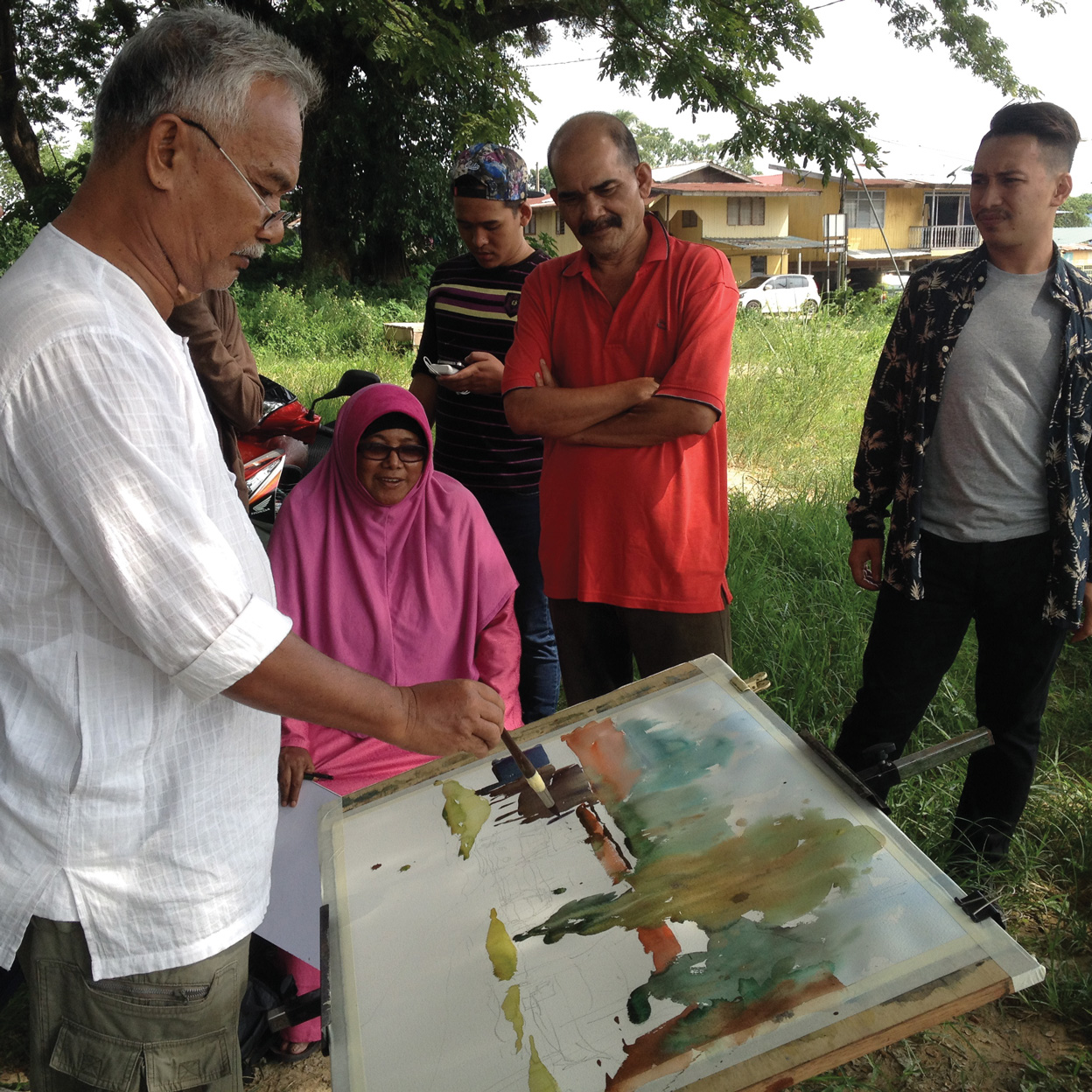
I especially like painting outdoors in a group. It’s fun to mingle with like-minded people and share knowledge. I’ve had the pleasure of participating in programs in China, India, Turkey, Taiwan, Brunei, Thailand, the United Kingdom, and Italy, and I’ve cultivated strong bonds with artists I’ve met abroad as well as those I paint with regularly at home.
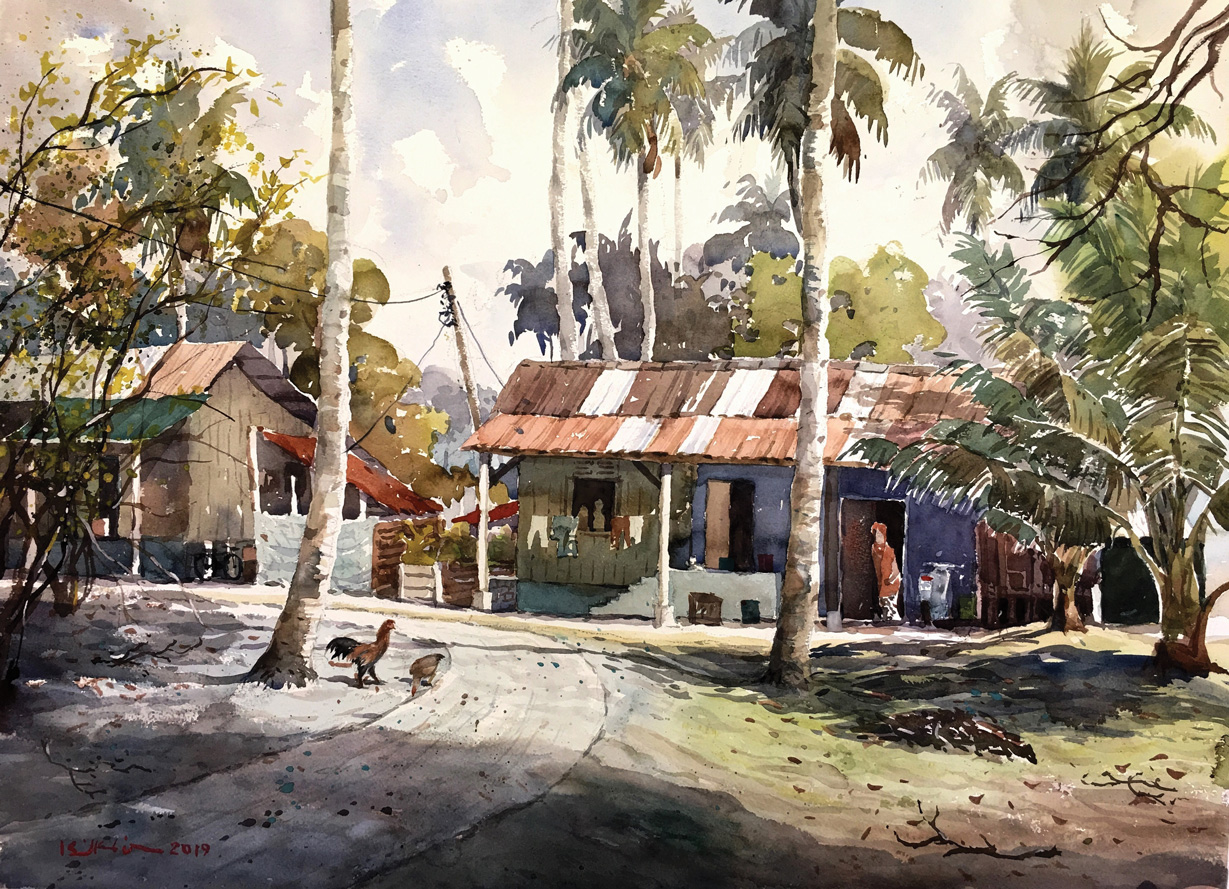
Fortunately, plein air painting is popular in Malaysia, and there are many organizations that support art activities of all sorts. In the public sector, we see involvement from private galleries, corporate bodies, and art societies both at the state and national level. The government monetarily backs a number of the societies’ projects and provides support through related ministries. National and state museums organize most large-scale art events where, regardless of the program, paint-outs and plein air painting competitions are considered a must.
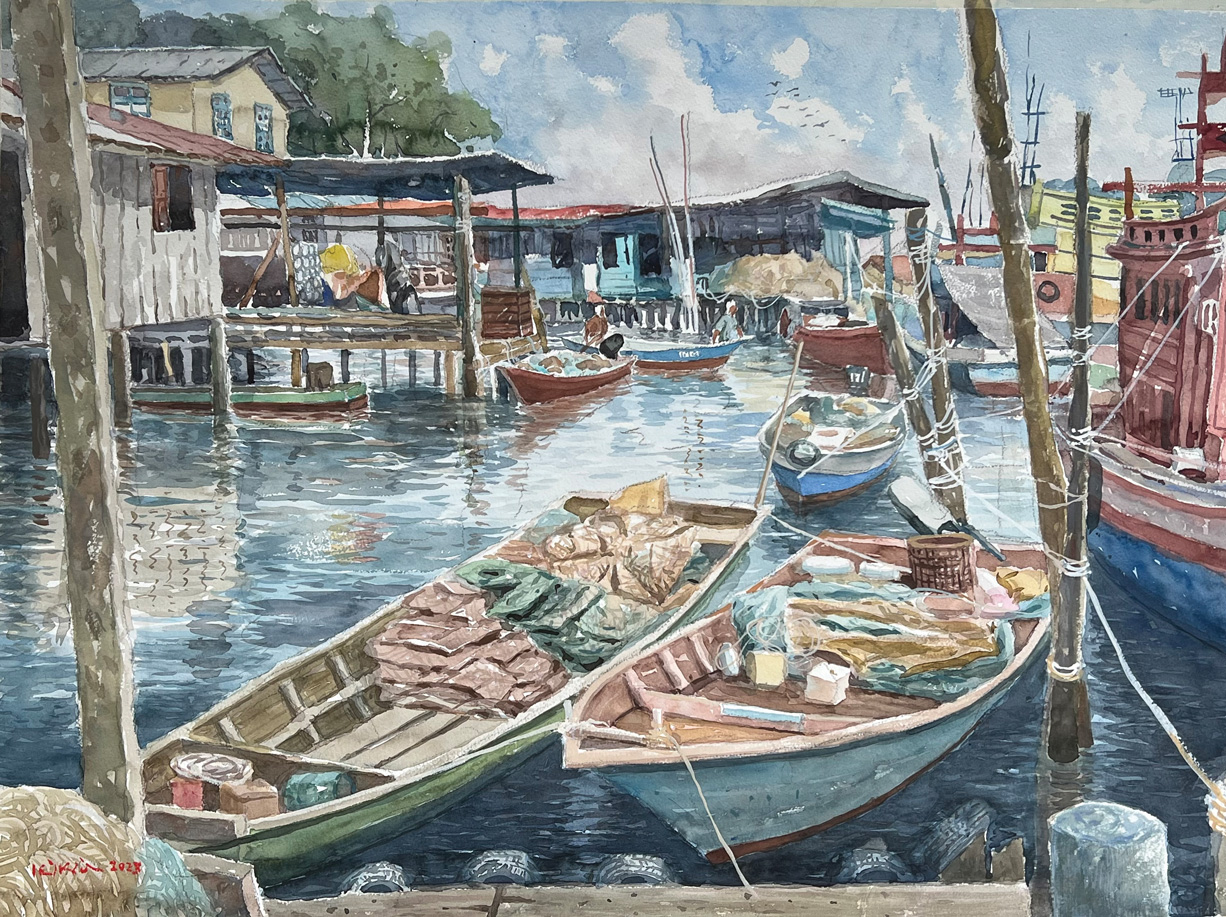
As a full-time artist for more than three decades, I’ve painted a range of subjects, including portraiture, floral, and still life, but landscape is dear to my heart. I live on the East Coast of West Malaysia, in what’s regarded as the most rural part of the country, with many beautiful beaches, a vast area of paddy field, a number of small villages, and forests and hills that serve as a backdrop to it all. Most of my collectors are from the West Coast, which is more developed, or from overseas. They’re drawn to the nostalgic quality of the scenes I paint.
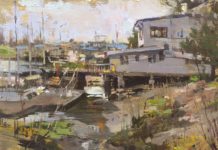
From December to January every year, monsoon season brings heavy rains that often lead to disastrous flooding. Erosions of beaches and riverbanks are frequent and brutal. It’s normal to see a row of beach houses vanish after each season. I’m sympathetic to the situation, but it’s beyond my ability to help. What I can do is paint those subjects as much as possible because I know they’re going to change or disappear very soon. I want to document these landscapes as reference for future generations.
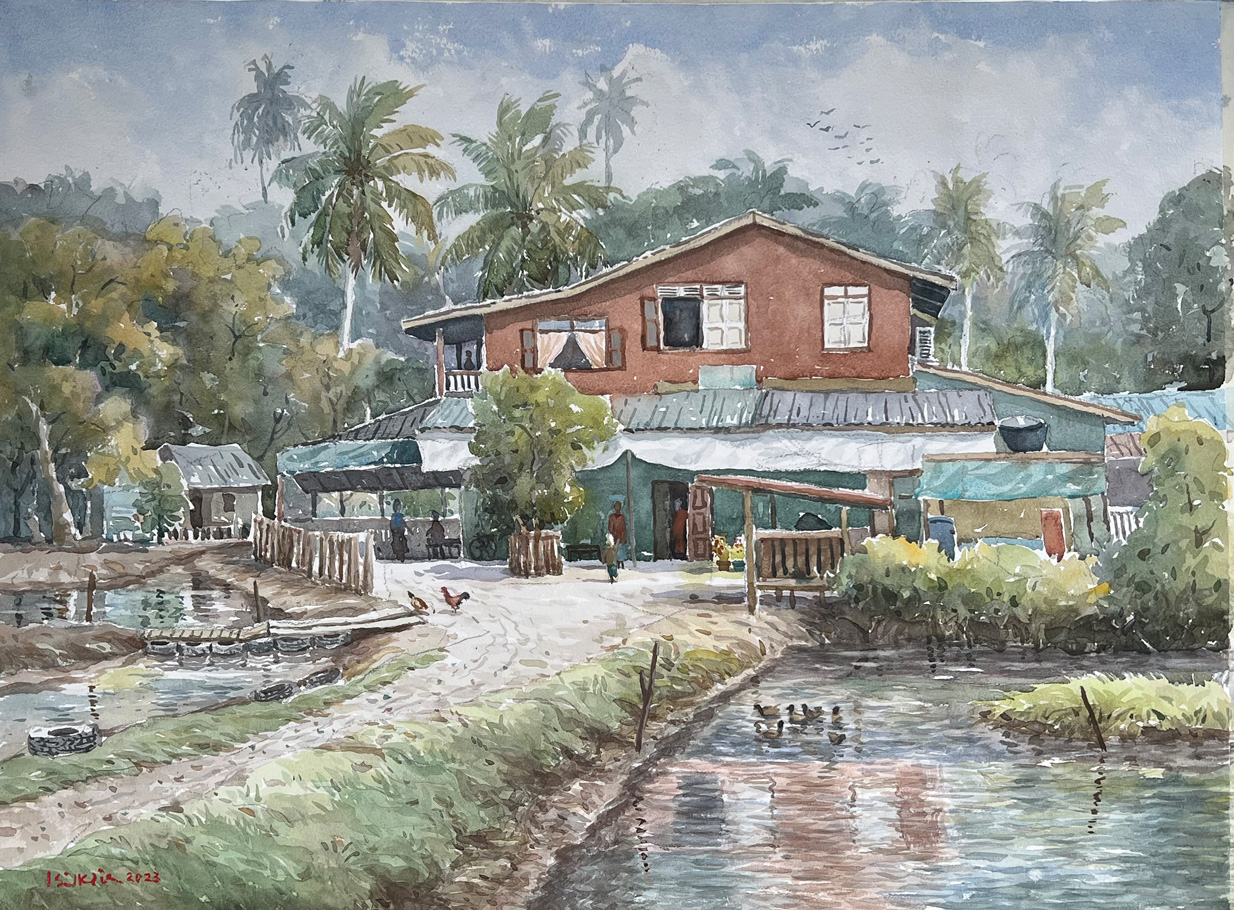
Whether I’m painting in the studio or en plein air, I start with a sketch. The kind of sketch I do on location depends on the subject. In general, if a scene is simple — meaning it contains mostly natural elements that don’t require a lot of exact measurements, such as an open field with trees, hills, or a river — a simple sketch is sufficient. For a scene that includes specific buildings or intricate structures, I’ll make a more detailed sketch at the correct eye level, with an identifiable focal point, suitable composition, and correct proportions. Since time is of the essence, I never take more than 15 minutes for a simple sketch and less than 30 minutes for a detailed one.
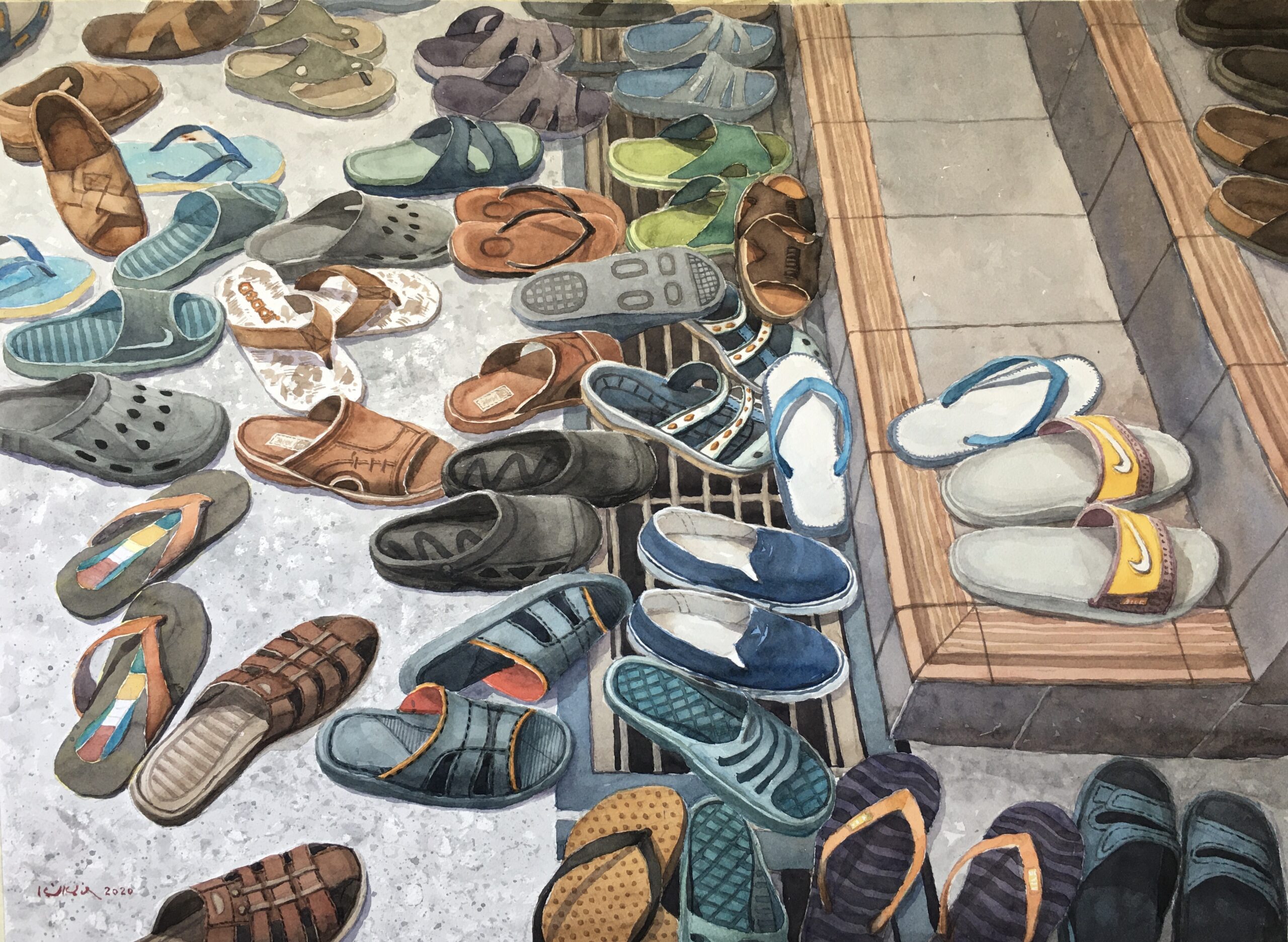
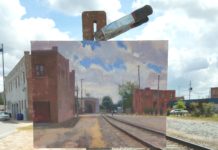
Once I start painting, I like to finish a simple subject completely on location. For a more complex subject, I’ll get as much information as I can en plein air and then finish the work in my studio. At some point during my painting session, I’ll stop and take reference photos that I can use to remind me of important details.
The editorial above is part of a series that spotlights the work of an accomplished artist featured in PleinAir magazine.
Published bi-monthly, PleinAir magazine is focused on landscape paintings by historical and contemporary artists, art collections, events, and the process of creating plein air paintings. Beautifully designed with rich reproductions on high-quality paper, PleinAir features the top artists and artworks from around the world. Start your subscription here.
Story prepared for the web by Cherie Dawn Haas, Editor of Plein Air Today