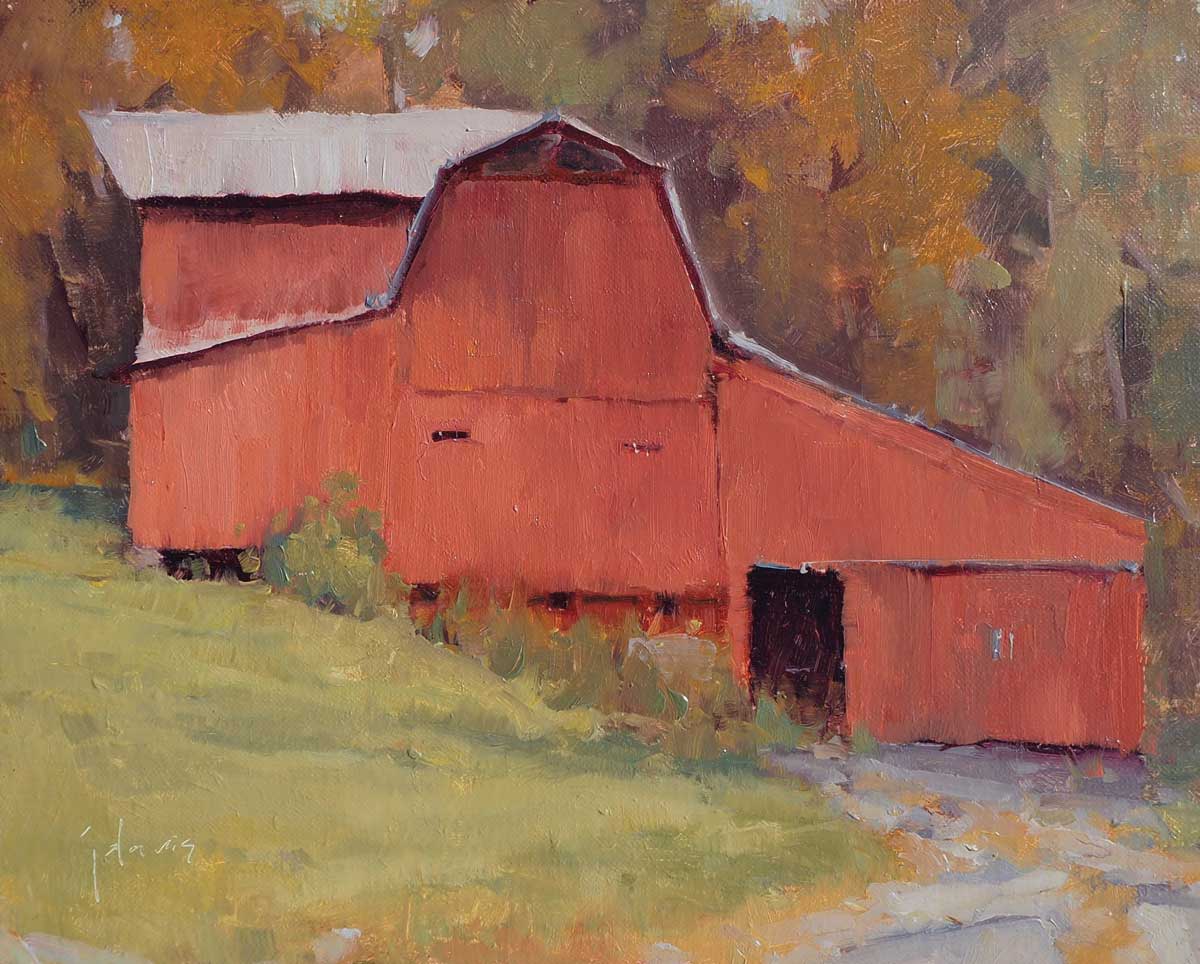
Small paintings—measuring a foot or less—offer versatility for artists capturing color notes or studying a location, and they’re especially appealing to people collecting art with limited wall space or budget. Here’s why some artists love them.
Galleries often have a large, tour-de-force painting near the entrance, dominating the visitor’s eye as they walk in. Big paintings suggest more work, more concentration, more care to create a composition devoid of dead areas lacking interest. From Sorolla’s large-scale series on the regions of Spain to Mucha’s “The Slav Epic,” from David’s large portraits of Napoleon to Rothko’s oppressive and monumental suite of paintings in a Houston chapel, the impressiveness of big paintings is understood and self-evident. But smaller works can succeed in several ways and serve multiple purposes.
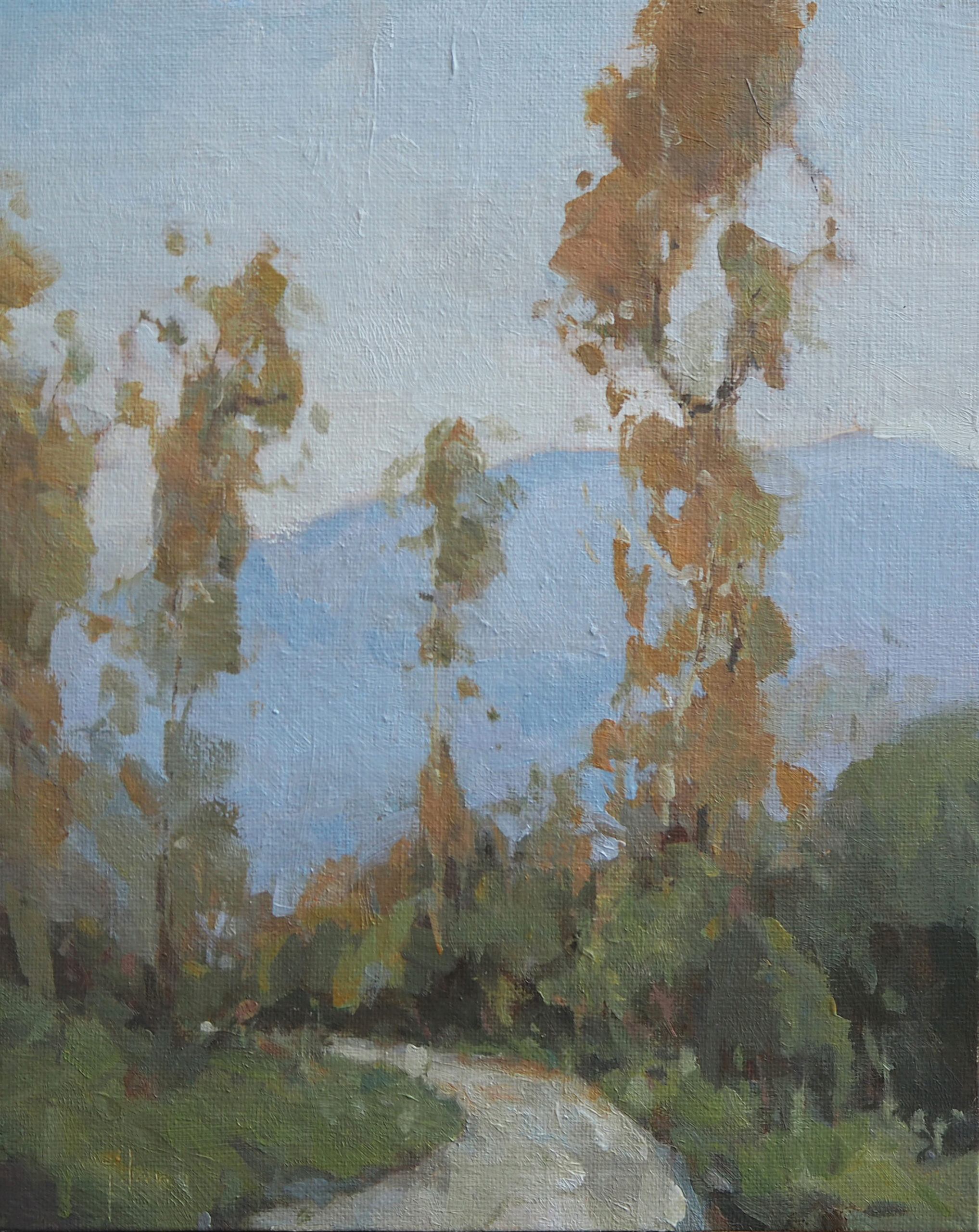
Plein air painting favors smaller works because the changing light conditions make capturing the feeling of a scene something of a race against time; smaller pieces allow for a more complete painting. It would be interesting to know just how many of the plein air paintings produced by working artists across the board are done to serve as studies for studio pieces painted later, as opposed to plein air works that are meant to be finished fine art pieces. There’s no clear line of demarcation; a painter can work a plein air study far enough in the field to make it ready to hang, or stop a plein air piece as soon as it captures the aspect of the scene the artist wanted to explore.
The decision of whether a plein air study is ready to sell could be made well after the fact. Texas oil painter Julie Davis is fond of the 11 x 14-inch format, “so a lot of my work could be considered small work anyway,” she says. “My collectors are already buying that size.” But Davis also takes a 12 x 16-inch panel out to paint en plein air, dividing the surface into fours with painter’s tape to allow her to explore four compositions or approaches. “I find I can do four quick studies in one spot in three hours and gather a ton of great information. I can, and sometimes do, cut them apart into rough-edged plein air studies and sell them. Their sense of immediacy tells you they were done outside and quickly. They are really an impression.”
Ohio painter Doreen St. John sells her plein air work but also uses outdoor painting to inspire her studio pieces. “I like the idea of using them to work out compositional problems for larger works,” she says. “Also, I may have gotten inspired on location but it didn’t quite work out in the end. In the studio, I can refer to the plein air work and use the best parts while working out the problem areas.”

Certainly the freshness of relatively small plein air paintings makes them appealing works on their own, beyond being simply studies. “For me, small works are raw, unedited, or unrefined gems of expression,” states Minnesota oil painter Ben Bauer. “Sometimes they fall short but hold notes of betterment for later use in larger works. These scenes capture the essence of a place.”
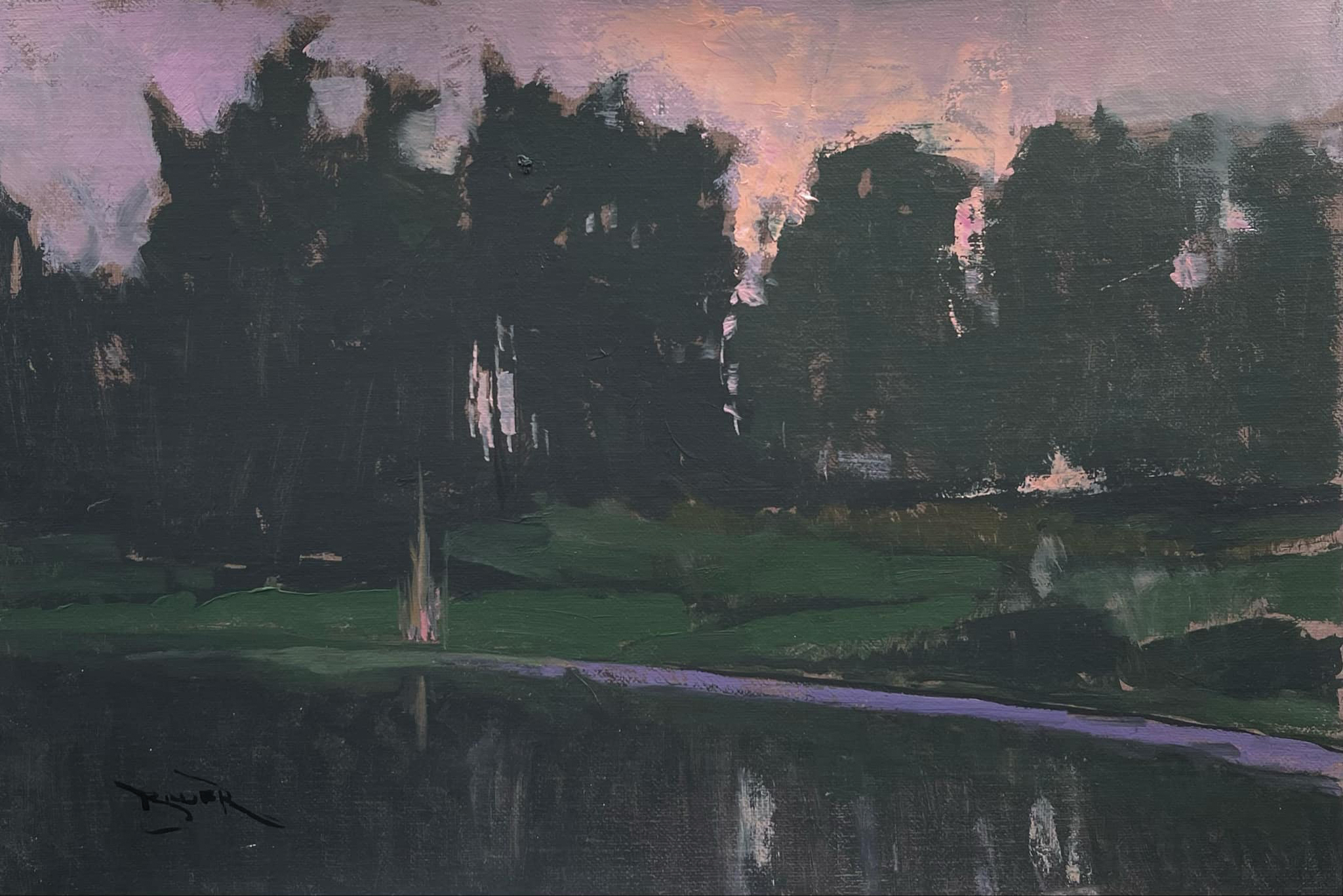
One can overhear all manner of comments about painting sizes when browsing in an art gallery. Some strongly favor larger works when it comes to collecting art, but smaller pieces are easier to sell.
“Even before I started painting I liked small pieces,” Davis says. “You can buy more of them, take them home, and put them anywhere. I like collecting small works. I love looking at art, so it’s simply another chance to see more work.”
St. John echoes Davis’s sentiments and notes that smaller works are easier and cheaper to frame. “A collector who doesn’t have a lot more room in their house for another of your large paintings can find room for a smaller piece,” she says.
“It’s like having a little gem to enjoy.” Davis says, “I think there’s an intimacy to a small piece. It’s about having an individual experience. It’s not big enough for people to crowd around. It’s like your own personal view.”
Continue reading this article in PleinAir Magazine, December/January 2025
Story prepared for the web by Cherie Dawn Haas, Editor of Plein Air Today
Browse more free articles here at OutdoorPainter.com