As the time-honored practice of painting directly from nature enters a new era, artists are reimagining its traditions to reflect a changing world — one more connected, inclusive, and dynamic than ever.
Over recent years, plein air painting has experienced an extraordinary transformation. Formerly thought of as a niche practice tied to Impressionist traditions, plein air is now a global movement, embraced by painters across generations, backgrounds, and artistic styles. Festivals flourish across the United States, Europe, and Asia; collectors follow artists in real time on social media; and new tools — from digital apps to eco-friendly pigments — are reshaping how artists approach the act of painting outdoors.
As PleinAir Magazine celebrates its 15th anniversary, it feels fitting to reflect on how the field is evolving and where it might go next. Here are 15 ways plein air painting continues to grow, adapt, and thrive.
15 Ways Plein Air Painting Is Evolving
1. A GLOBAL MOVEMENT
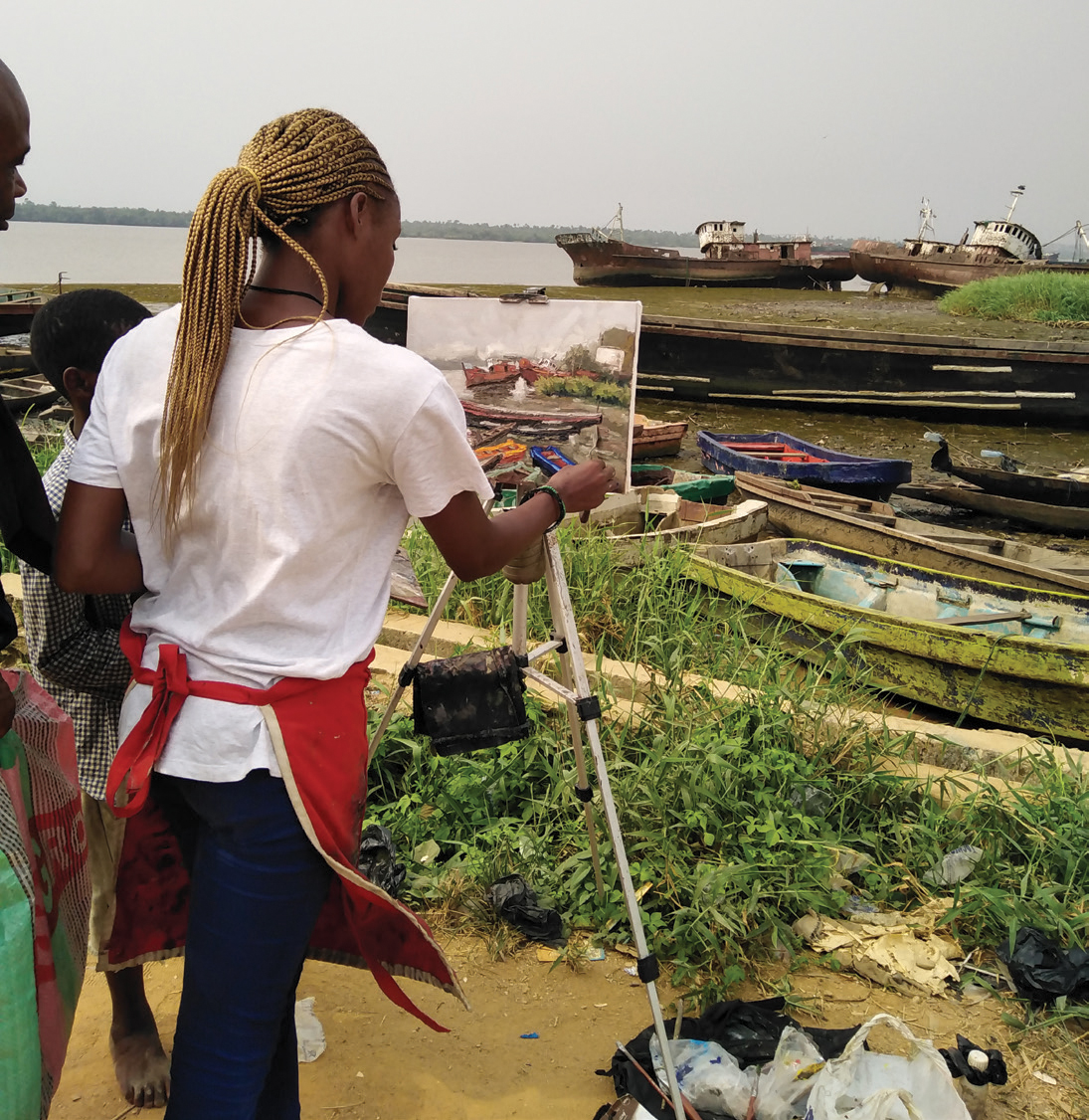
Once rooted in Western art traditions, plein air painting has become a worldwide phenomenon. Thanks to social media and international festivals like Art in the Open in Ireland and Fabriano in Acquarello in Italy — alongside thriving events in China, Australia, Japan, Indonesia, Canada, and beyond — artists now share ideas, techniques, and inspiration across borders. Plein air has become not just a practice, but a global language of expression and connection.
2. DIGITAL TOOLS IN THE FIELD
Painters are increasingly incorporating tablets and apps — including Notanizer, Infinite Painter, and Procreate — into their practice. Artists like Mike Hernandez and Tiffanie Mang use such tools for value studies, color tests, or even entirely digital plein air works, demonstrating how technology can coexist with tradition by offering us new ways to respond to the landscape.
3. SOCIAL MEDIA’S SELLING POWER
Platforms like Instagram, Facebook, and TikTok have turned plein air practice into a shareable experience. Viewers can watch live demos from the field, follow an artist’s daily sketch habit, and even buy fresh paintings right from their feed. For many young painters, social media is now as important as a gallery wall.
4. EXPANDING BEYOND OILS
Though oils remain dominant, more artists are experimenting with gouache, watercolor, acrylic, pastel, and mixed media outdoors. Each medium offers unique possibilities for spontaneity, portability, and expression. In particular, gouache has exploded in popularity for its bold color and quick drying time. And pastel, which once seemed too fragile or studio-bound for outdoor painting, has become one of the most dynamic frontiers. Thanks to innovations in materials and transport systems, artists are harnessing the immediacy and luminous color of pastels to capture skies, trees, and water with stunning vibrancy.
Special Announcement
Learn How Master Artists Paint with Gouache
August 20-21, 2026: Join leading artists for two immersive days of live demonstrations and instruction that reveal how gouache really works: from mixing and layering to finishing confident paintings. Visit GouacheLive.com now to learn more and save your seat.
5. A NEW WAVE OF EVENTS
Fifteen years ago, only a handful of plein air festivals existed. Today, there are hundreds worldwide, offering juried competitions, quick draws, and collector sales. These events not only bring painters together but also engage local communities with public paint-outs, kids’ activities, and exhibitions, exposing an ever-growing number of art enthusiasts and young artists to plein air.
6. COLLECTORS IN THE FIELD
With top-tier work emerging and growing recognition from galleries and museums, plein air painting has earned a new level of respect among collectors. They’re drawn not only to the quality of the work, but also to the experience behind it — watching paintings come to life on location, meeting the artists face-to-face, and even commissioning pieces on the spot. This immediacy creates a rare and lasting connection between painter, patron, and place — one that few other art forms can match.
7. CONSERVATION THROUGH ART
A growing number of plein air groups and events partner with parks, preserves, and conservation organizations, turning outdoor painting into both celebration and advocacy. In Montana, Plein Air Glacier collaborates with Glacier National Park, raising money through sales that support the park’s programs. In Nashville, the Chestnut Group holds events benefiting local environmental and preservation agencies, with participating artists donating a portion of their proceeds. Even urban parks are being highlighted: this year the Pittsburgh Parks Conservancy hosted “Frick Park and Nature’s Palette,” an exhibition of (mostly) watercolor works created by Pittsburgh’s Plein Air Collective who painted views of the park throughout the changing seasons.
8. YOUNG ARTISTS ENTER THE SCENE
A vibrant new generation of painters in their 20s and 30s is embracing plein air, fueled by inspiration from YouTube, Instagram, and a deep concern for the environment. They’re stepping outside not only to paint the land, but to honor and protect it — using art as both expression and awareness. They’re pushing the boundaries of the form with bold experimentation, fresh perspectives, and inventive approaches to light, color, and composition. Their energy and creativity are helping to shape the future of plein air painting and ensuring the movement continues to evolve.
9. ECO-FRIENDLY MATERIALS
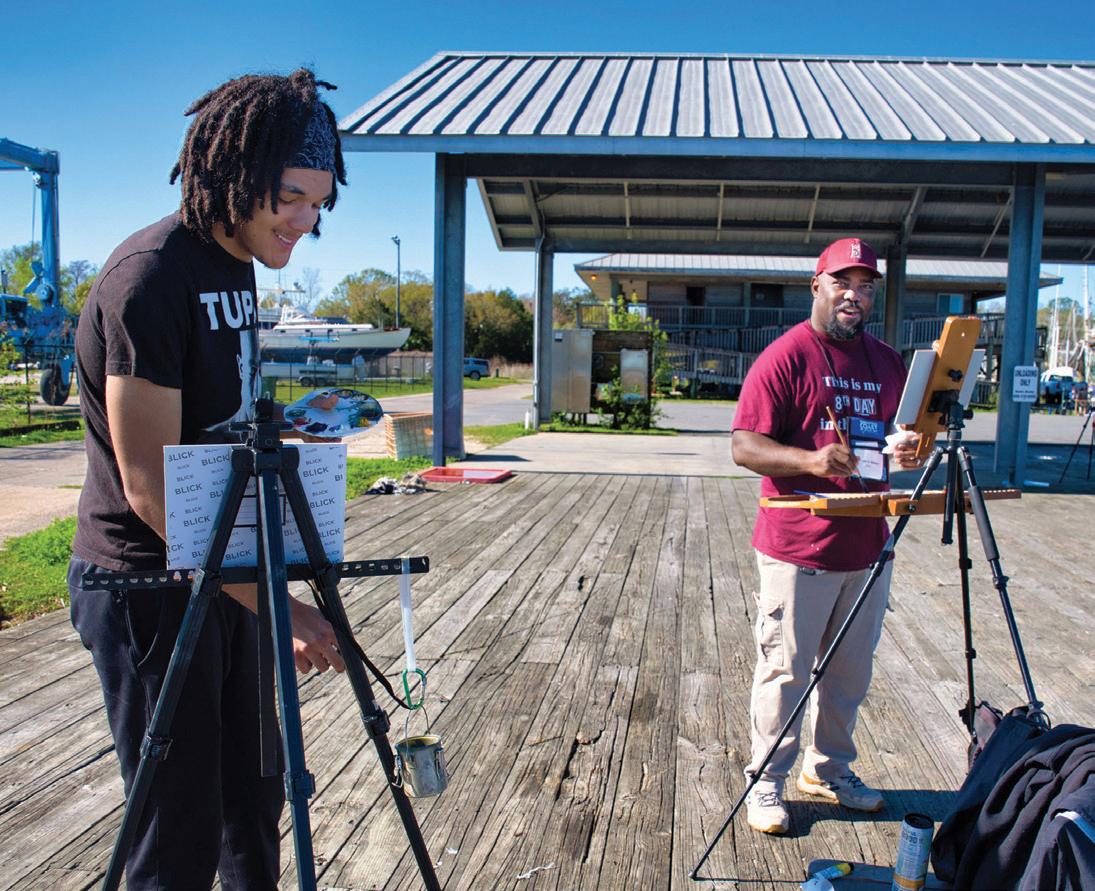
More and more, plein air painters are pairing their love of the outdoors with a commitment to protecting it. From solvent-free oils to sustainably sourced paper and brushes, artists are finding ways to minimize their ecological footprint while painting in nature. Some even craft their own paints from natural pigments, reconnecting with centuries-old traditions and deepening their bond with the landscapes that inspire them.
10. SHARED EXPERIENCES
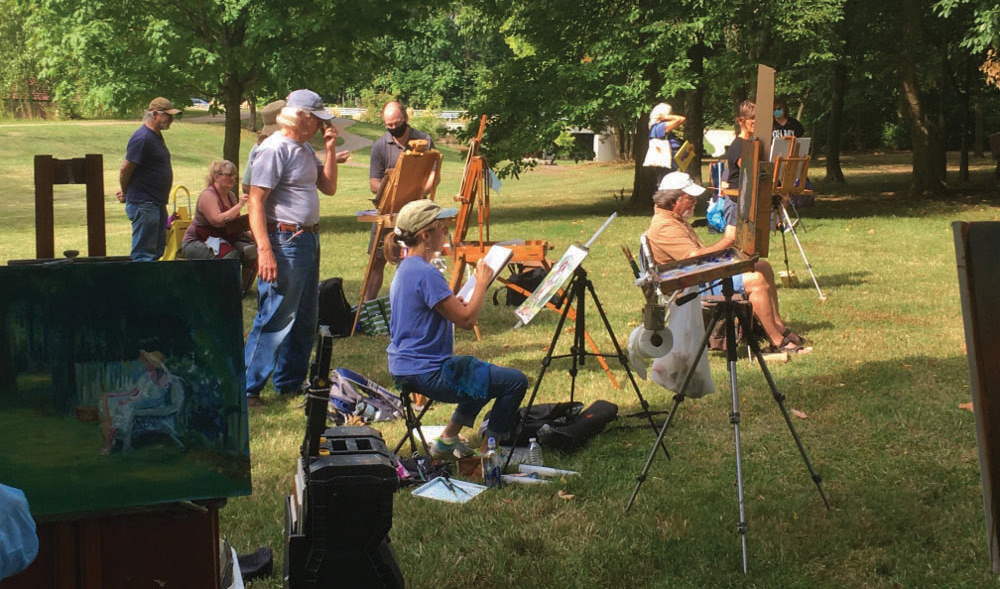
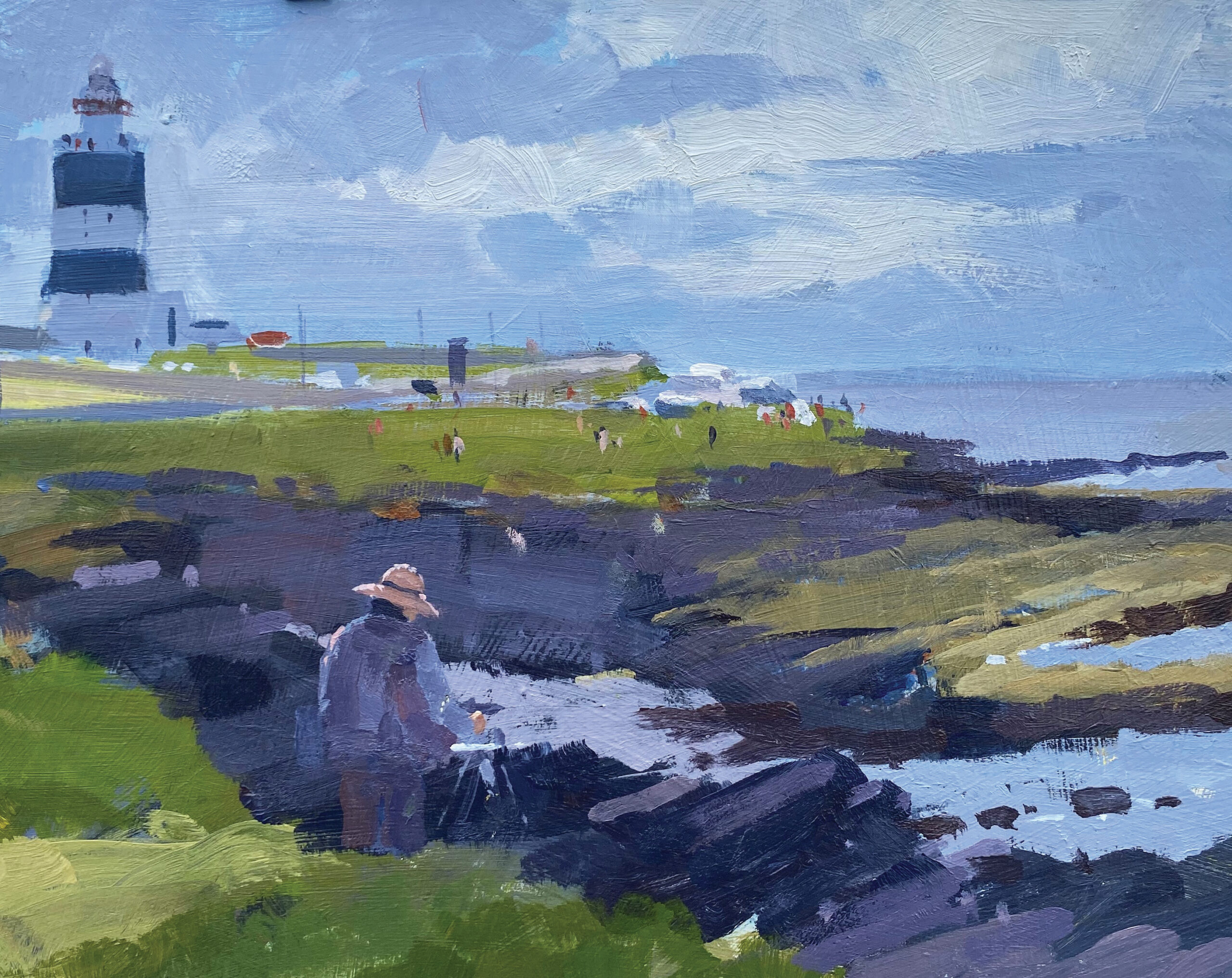
Plein air painting has become a more social experience than ever before. Where once painters mostly worked alone or with a like-minded friend or two, local groups and established societies now provide a built-in community, offering regular, scheduled opportunities to paint alongside peers. These gatherings spark camaraderie, inspiration, and mentorship, giving artists a chance to share techniques, receive feedback, and soak in the creative energy that comes from working in a supportive, collaborative environment.
11. COMMUNITY BEYOND GEOGRAPHY
In addition to local meetups and organized events, plein air painters also increasingly connect online, forming vibrant communities in Facebook groups, forums, and other digital platforms. These virtual spaces allow artists to share experiences, offer tips, ask questions, and provide encouragement, creating a sense of fellowship that transcends geography.
12. BLENDING GENRES
More painters are pushing the boundaries of plein air by blending it with abstraction, illustration, and even installation art. Some begin with a direct, on-location study and then translate that energy into large-scale studio works that balance faithful representation with modern experimentation. Others layer plein air sketches with mixed media, digital projections, or collage elements, creating hybrid works that bridge the outdoor experience with contemporary visual language.
13. EDUCATION AND ACCESSIBILITY
Workshops, online courses, and live-streamed demos have made learning how to paint outdoors more accessible than ever, breaking down barriers of distance, time, and experience. Fifteen years ago, artists had to travel to study with a master; now, they can learn from them in real time from the comfort of their own studios. Whether it’s mastering a specific skill, experimenting with new media, or receiving direct feedback on a work in progress, these modern educational opportunities are democratizing plein air instruction and nurturing a new generation of painters worldwide.
14. FOCUS ON CULTURAL AND URBAN LANDSCAPES
While plein air painting has long been associated with natural vistas, artists are increasingly turning their attention to cityscapes, industrial sites, and local cultural events. From graffitied train trestles and scaffolded high-rises to outdoor weddings, these urban and cultural settings offer rich opportunities for storytelling and visual exploration. By capturing the gritty character and energy of these environments, painters expand the genre beyond traditional — sometimes idealized — landscapes, engaging new audiences and connecting viewers more deeply to the places and scenes they depict.
15. LEGACY AND FUTURE
Perhaps the most profound evolution is the recognition of plein air’s place in art history. Museums and major galleries are increasingly hosting plein air exhibitions, validating the form as not just preparatory practice but a standalone contribution to fine art.

A Living Tradition
If the last decade and a half has taught us anything, it’s that plein air painting is not just surviving — it’s flourishing in ways our predecessors could never have imagined. Whether through digital tools, conservation partnerships, or the fresh voices of young painters, plein air continues to expand its reach while staying true to its core: the direct, unfiltered encounter between artist and landscape. One thing’s for certain: the next 15 years promise even more innovation and creativity as plein air painting continues to inspire both artists and audiences around the world.
How have you seen the plein air painting evolve? Share your experiences with us in the comments section below!
Looking for MORE ways to improve your painting skills?
Don’t miss your opportunity to create lifetime memories at the Plein Air Convention & Expo! All training sessions are indoors on giant, high-def screens, with incredible paint-outs in the afternoons. Beginners and pros feel right at home, so register at PleinAirConvention.com to join us.
Browse more free articles here at OutdoorPainter.com
Story prepared for the web by Cherie Dawn Haas, Editor of Plein Air Today