One of the wonderful things about plein air painting is that it transcends societal boundaries and norms, including age. We’re seeing more people prioritizing it in their lives, throughout their lives – not just when retired. And now there’s a new generation of artists in their teens and twenties who are making it part of their higher education and life plans.
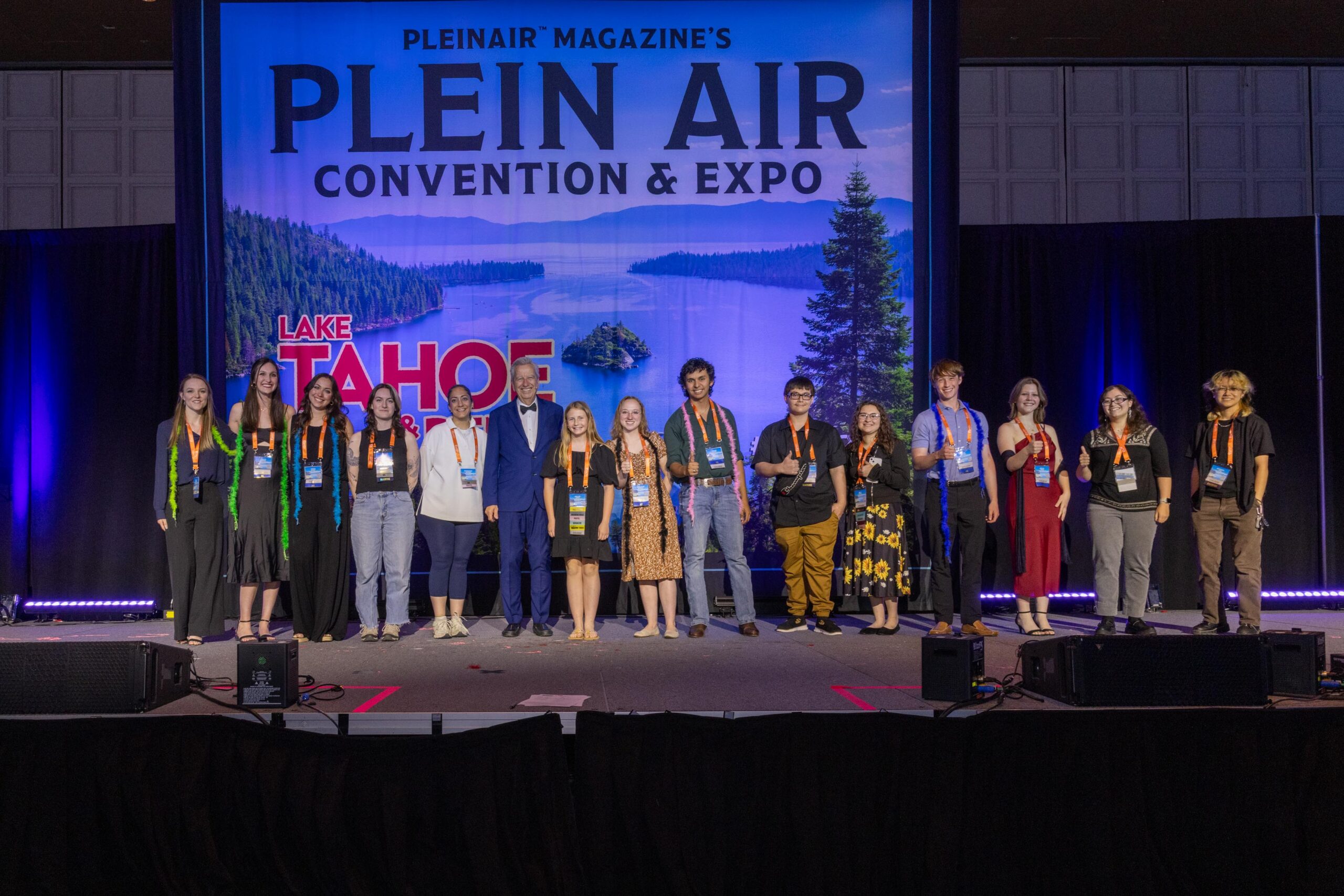
We met a group of them this year at the Plein Air Convention & Expo (PACE), where about 20 young people attended on a scholarship that’s part of the PleinAir initiative to expand youth outreach to ensure the future of the movement. Here’s a glance at what they learned during this incredible experience.
Scholarship Students’ Top Takeaways From Plein Air Painting and PACE
Sofia Lombardo: “As an artist new to plein air, something I learned during PACE that proved very useful was to focus on just a few key components. Many of the artists reiterated the importance of honing composition, shape, and value first, in addition to focusing on details like color and brushwork later. This helped me get my footing and prevented me from feeling overwhelmed by the number of unknowns and variables. Like many other artists, I believe that sometimes by simplifying and limiting our process, only then can we truly explore these few elements. I was able to create nice value studies in the paint out locations we went to, like Virginia City.”
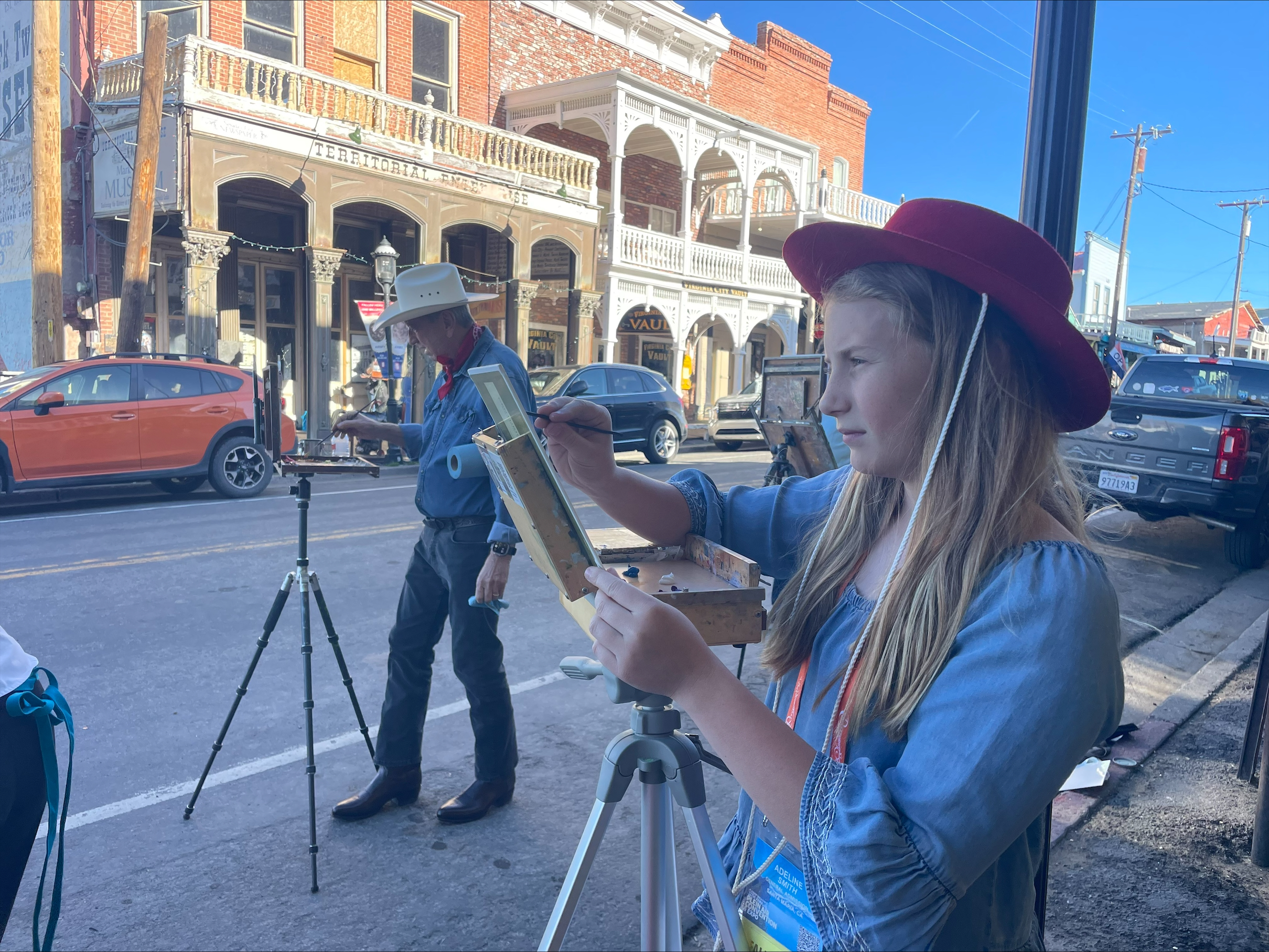
Adeline Smith: “The main take away was that it is good to try new things: new colors, a new medium, a new subject. You grow a lot when you try something different from what you always do.”
Sydney Lemmon: “I think I discovered the real secret to plein air painting: it’s not about perfection, it’s about perception. It’s about capturing the essence of what you see, not rendering every detail. You don’t need to paint the whole scene, just the sweet spots that made you stop and look in the first place.”
Faith Leskowitz: “One of the most valuable takeaways for me was seeing the wide variety of techniques and styles among the artists. Whether it was during a workshop or watching someone work out in the field, I learned so much just by observing. There’s something incredibly powerful about learning directly from watching others paint in real time.”
Abigail Quinn: “My top takeaway, besides the long list of artistic advice and techniques, was that some of the best artists I met were some of the most humble. I learned that to become a master, you must forever be a student.”
Gavin Miller: “My top takeaway was that we are all just trying to become better versions of our artistic selves. At the convention, there were artists of all levels, from beginners to professionals. Regardless of their experience, I noticed every artist shared one common goal: to improve. I realized it’s not necessarily where we are on the scale of technical proficiency or achievement that is important, but our ability to apply ourselves to learn, to grow, and through time continue to develop and refine our artistic voice.”
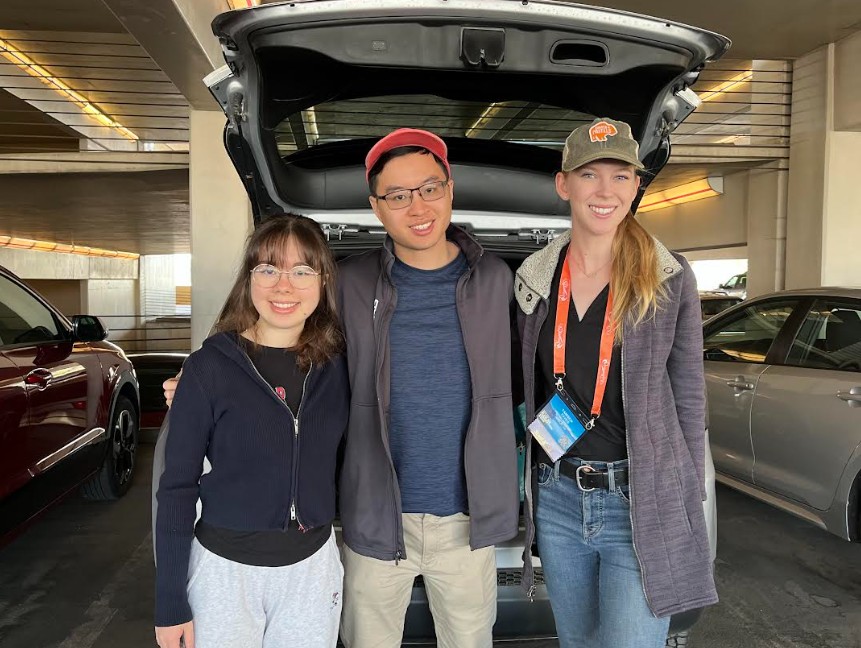
Tamsen Taves: “Amongst the many great tips and advice given by the faculty, the thing that really stuck out to me was to add plenty of variety within a painting. This can be applied through varying brushwork and palette knife strokes to create unique textures, shapes, and a more interesting painting overall.”
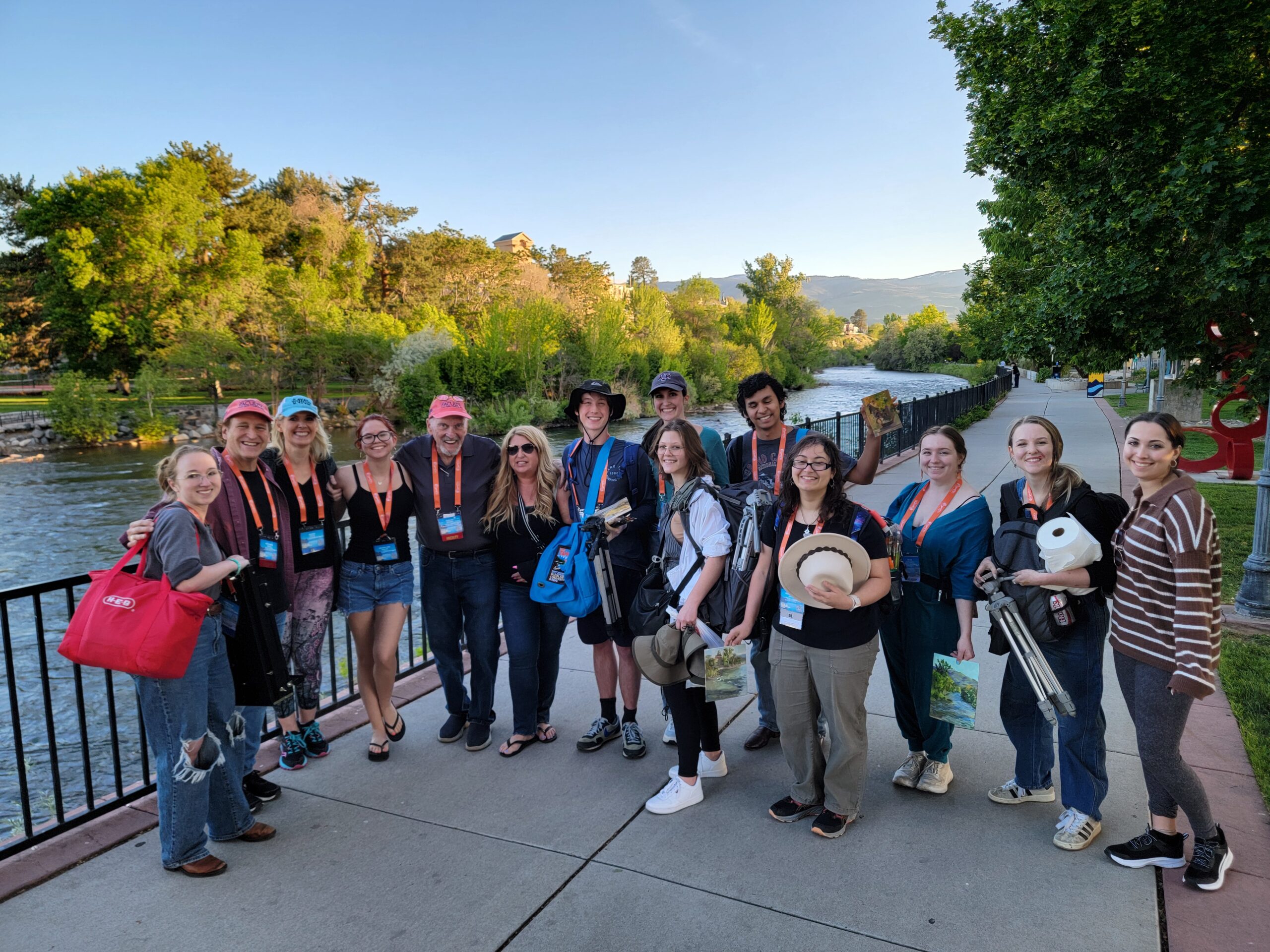
Stay tuned for the 2026 PACE Scholarship announcement, and look for the full feature article on this next generation of plein air painters in an upcoming issue of PleinAir magazine.
Browse more free articles here at OutdoorPainter.com