

In this episode of Art School Live with guest host Kathleen Hudson, Suzie Greer Baker breaks down the overwhelming world of plein air gear into practical choices, real-world examples and travel-tested hacks.
NOTE: Transform Muddy, Lifeless Landscapes Into Paintings Infused With Radiant Light >
Learn how with Suzie Baker’s new art video workshop, “Light Infused Landscapes” at PaintTube.tv.
One core question to consider: “What easel is right for me?” The answer depends on media, how much weight you can carry, how large you like to work, and whether you need a travel kit for car trips and one for flights.
Watch “Let’s Gear Up” Here:
How to choose an easel
Start by matching the easel type to your workflow rather than chasing a single “best” model. Key questions:
- What medium do you use? Oils, acrylics, watercolour or pastels demand different storage and mixing spaces.
- How large do you paint? Mast-style rigs accommodate bigger panels; pashad boxes are great for small, fast work.
- How will you travel? Have a lightweight backpack kit for flights and a sturdier box for car trips or competitions.
Types of travel easels (with pros and cons)
Tripod-mount pashad box
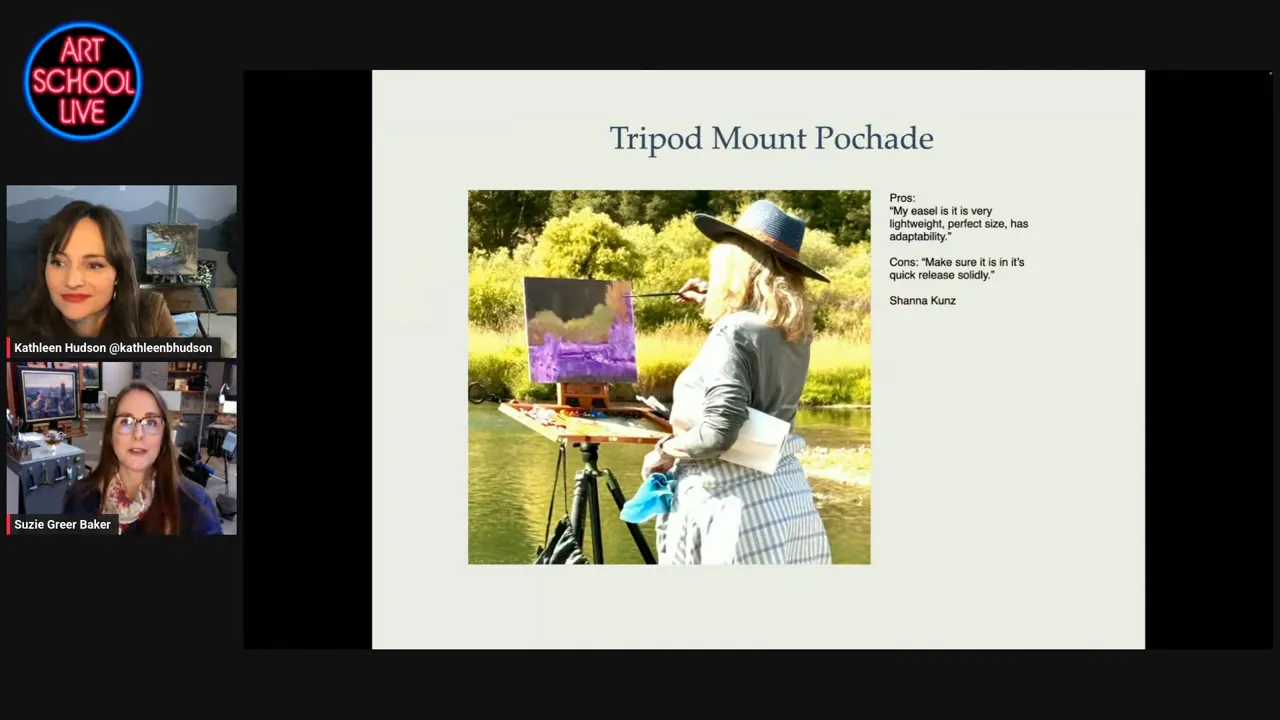
Pros: Lightweight, compact, adaptable.
Cons: Quick-release mounts must be secured properly to avoid tumble-overs.
Mast and apron (vertical mast)
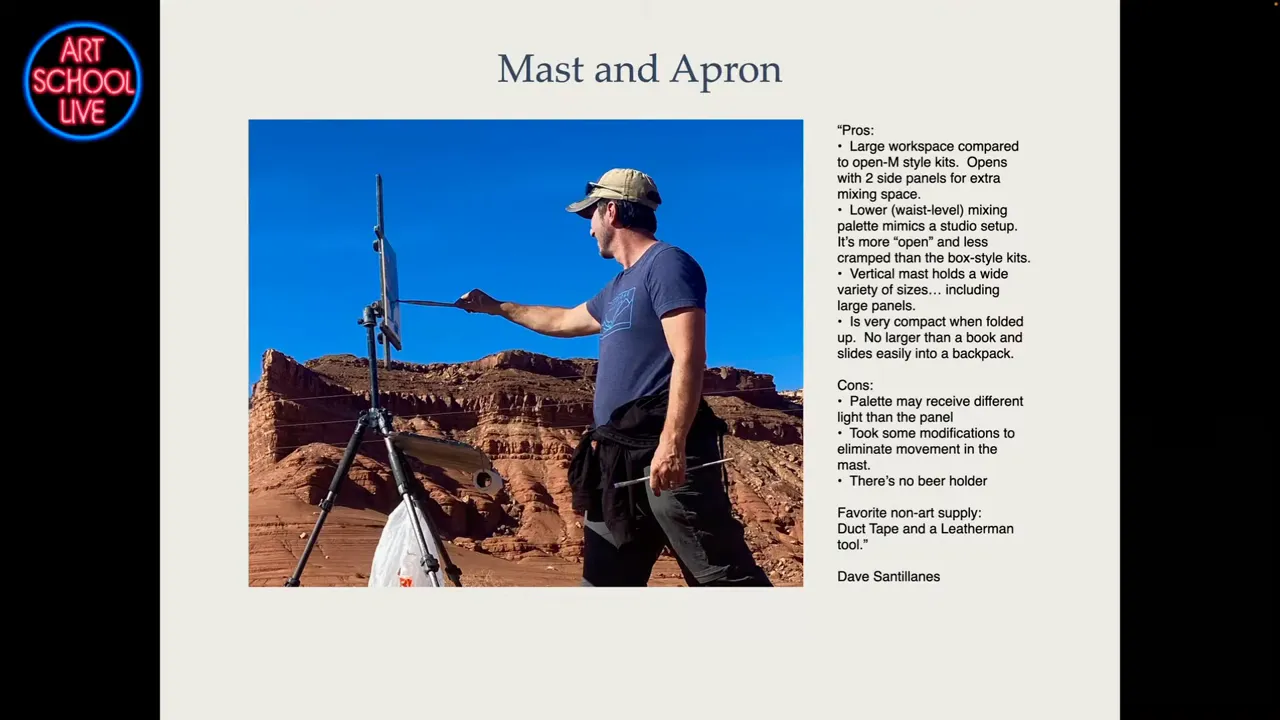
Pros: Large workspace, mixes at waist level and folds compactly.
Cons: Palette and panel can receive different light; some kits need mast bracing.
Box type with integrated legs (French easel)
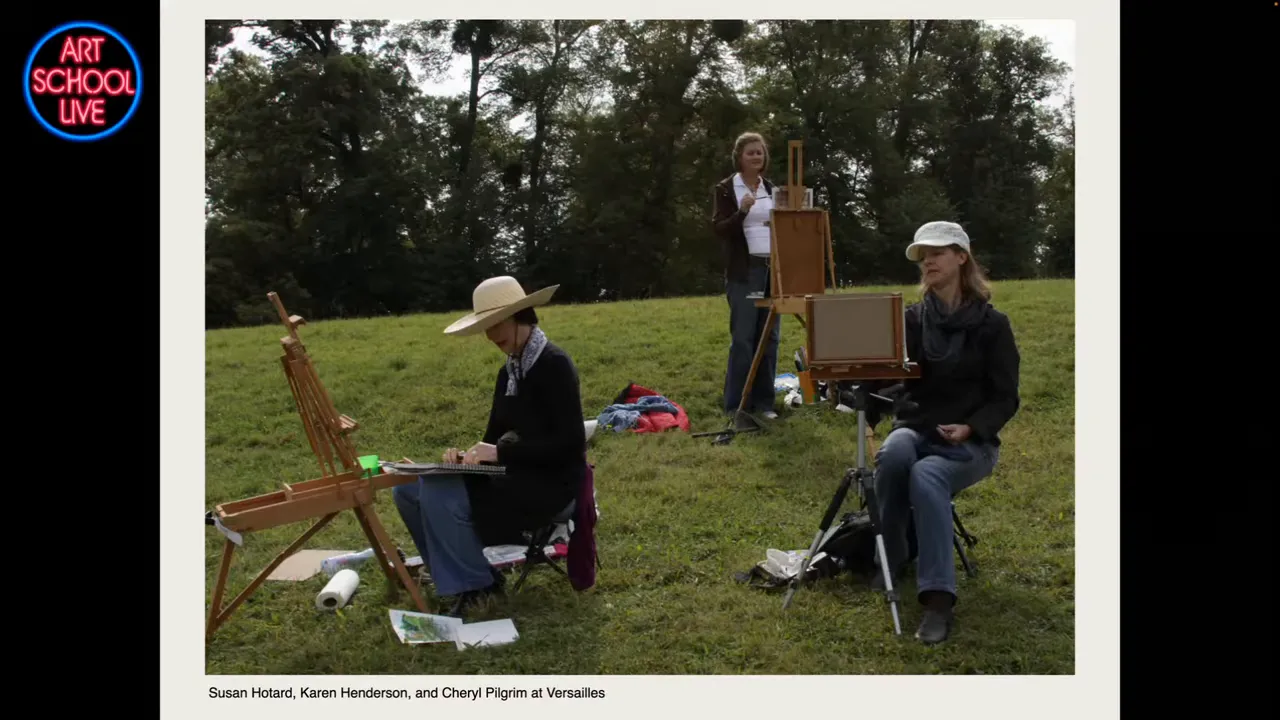
Easy to set up and pack away, but heavier since everything is carried in one unit.
Oscar Anderson / Gloucester easel
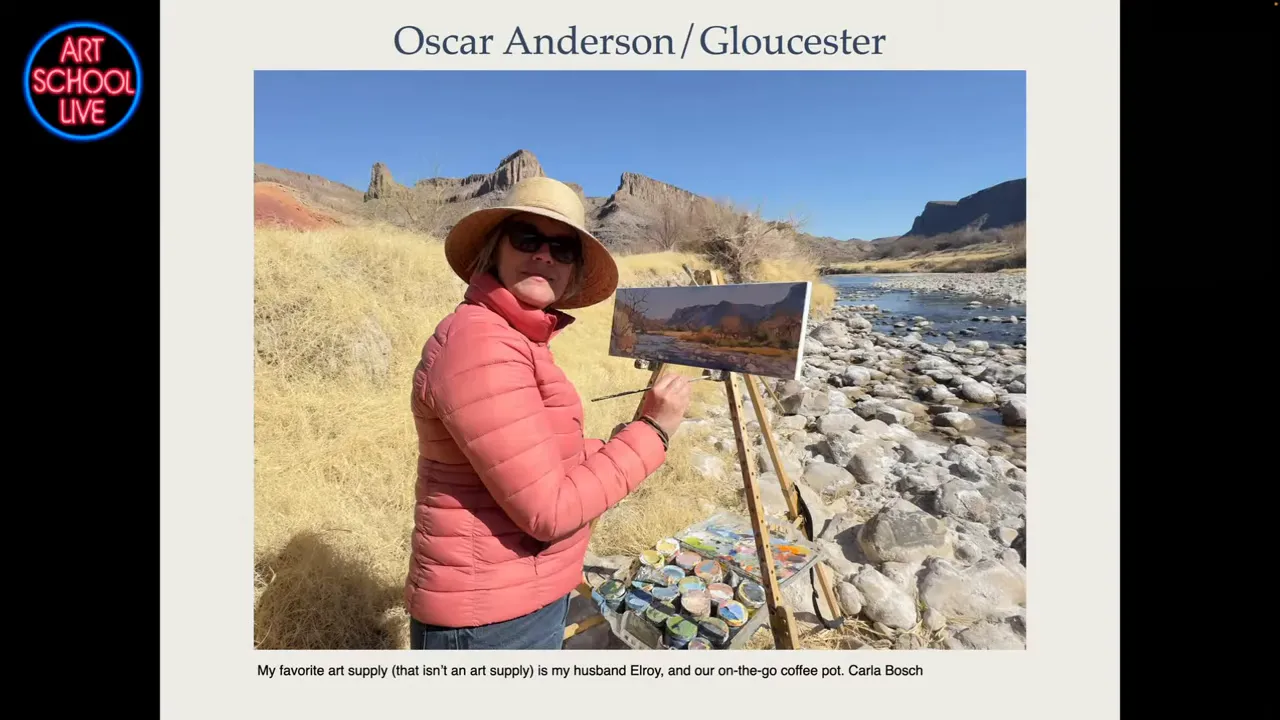
Classic for larger studies and studio-like control outdoors. Suited to artists who want more stability when working on larger canvases.
DIY and modified setups
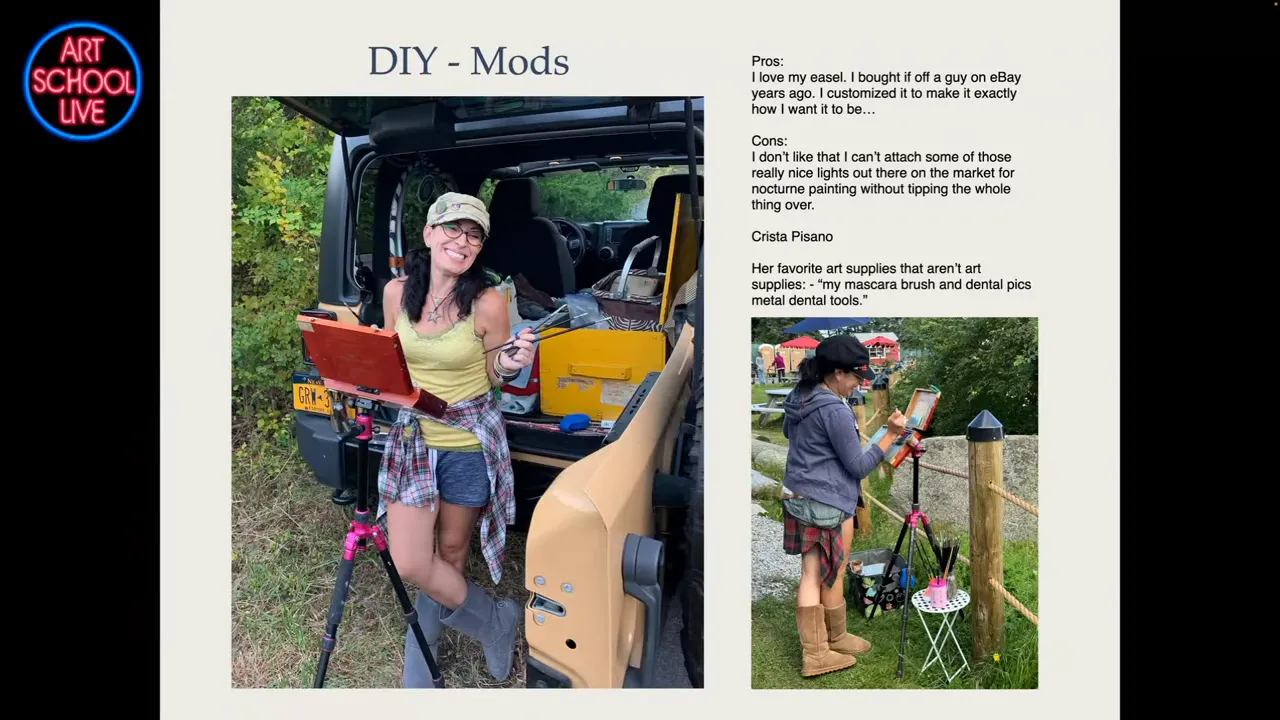
Many artists cobble parts together—extra shelves, ball attachments and bungee cords—to create custom rigs that solve their own annoyances.
Packing, travel and useful hacks
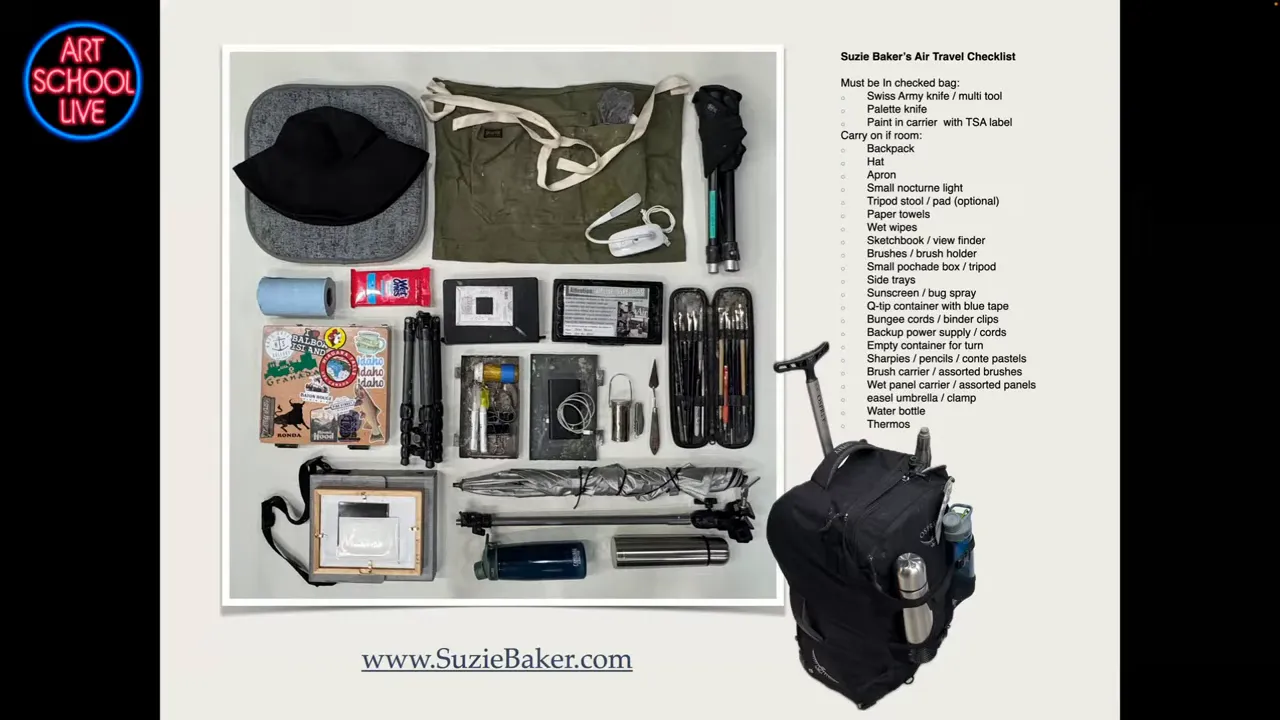
Pack thoughtfully for flights: keep knives and palette knives in checked baggage, label paint carriers with TSA stickers, and place paints near the top of checked bags so inspections are quick. A padded paint tube carrier protects tubes in transit.
- Essentials: lightweight tripod with center-hook, wheeled backpack for cobblestones, collapsible water bucket for watercolourists.
- Non-art helpers: utility clamps, bungee cords, binder clips, a Leatherman and duct tape.
- Organization: sewn elastic roll-ups or custom canvas pouches keep brushes and tubes accessible.
Umbrellas, light and wind
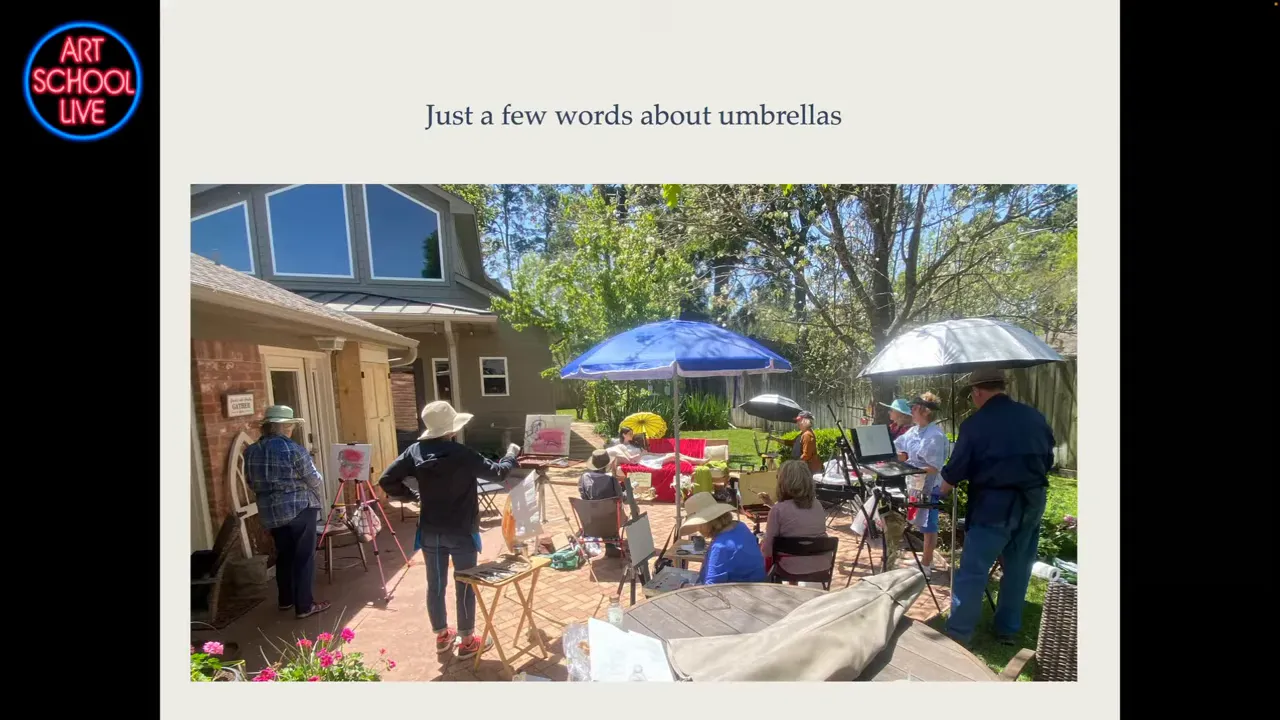
Wind is often worse than rain. Use a beach-style umbrella with a silver underside to reduce unwanted color cast and lower the intensity hitting palette and panel. If wind exceeds 10 mph, consider a windbreak or painting under a vehicle hatch. Never leave an umbrella unattended on an easel.
Practical recommendations
- Test gear at workshops or plein air meetups before committing to a big purchase.
- Prioritize a sturdy tripod with a center column hook—this reduces blowovers more than any particular box brand.
- Create a travel checklist and practice packing to discover what you truly need.
- Build a lightweight “flight” kit and a heavier “car/competition” kit.
Gear should get out of the way of painting. Experiment, borrow from friends and customize small hacks—utility clamps, sun shields and bungees—to make a setup that keeps the focus on color, value and the joy of painting outdoors.
Transform Muddy, Lifeless Landscapes Into Paintings Infused With Radiant Light > Learn how with Suzie Baker’s new art video workshop, “Light Infused Landscapes” at PaintTube.tv.

Question about tripods. I bought a compact tripod and it doesn’t work very well with the “apron and mast” style setup. The tripod leg section is shorter so the apron sits just above the knees. Any ideas on a hack for this? Is there a way to secure the apron to the mast of the tripod?