As a plein air artist, you are part of one of the largest art movements in history. In this “plein air heritage” article, learn about those who have helped start this movement in some way, and be inspired to continue your own journey of landscape painting. For even more inspiration, subscribe to PleinAir® Magazine.
Our Plein Air Heritage
Claude Monet (France, 1840–1926)
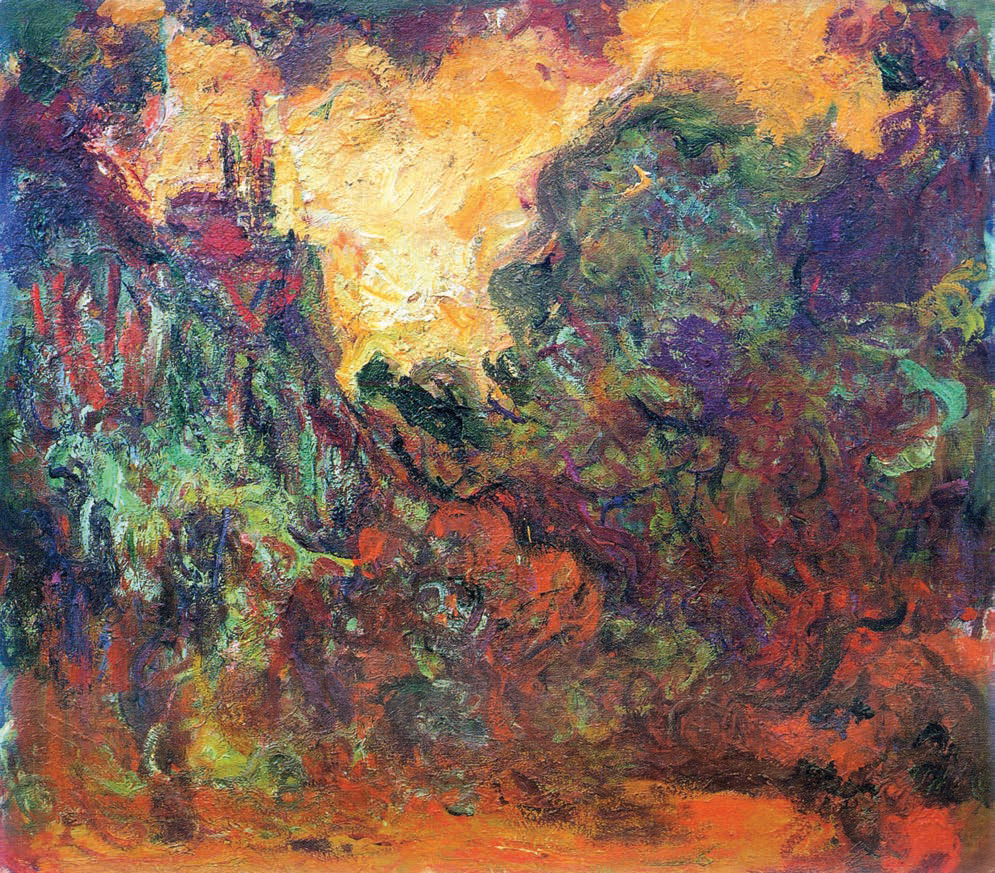
In his later years, Claude Monet (France, 1840–1926) stayed close to home, relying increasingly on his garden at Giverny for inspiration. Due in part to failing eyesight, his work from this period reflects a marked change in the artist’s use of color. His brushstrokes became broader, and his hues darker and muddier, with more browns, yellows, and purples.
First diagnosed with cataracts in 1912, the artist carefully adapted his approach to color by memorizing the placement of paint on his palette. In 1923, with only 10 percent of his vision in his left eye and considered legally blind in his right, Monet finally agreed to undergo surgery. The procedure, along with corrective lenses, restored enough vision in his right eye that he was able to return to work in 1924.
Although struggles with his vision undoubtedly caused self-doubt and frustration, he remained productive throughout his 70s and 80s, transforming his technique by enlarging his canvases, experimenting with compositional cropping, and playing with tonal harmonies. A balance of representation and abstraction, Monet’s late body of work redefined the master of Impressionism as a forebear of modernism.
> Subscribe to Plein Air Today, a free newsletter for artists