Discover why acrylic paint is the perfect match for an intuitive, fast-paced painting style—plus tips for keeping your palette and colors under control.
By Brian Sindler
I paint intuitively, with some degree of impatience. When I painted with oil, I often couldn’t be bothered to scrape out passages that needed to be changed. When I first tried acrylics, I started with Golden Open paints, but the slower drying quality created some of the same issues I ran up against in oil. Because of the quick-drying properties of standard acrylic, I can paint over areas almost instantly and make design changes without losing momentum. I can rearrange a painting on the fly; I don’t have to wait hours or days for the paint to dry. I can apply lights over darks and make subtle or drastic changes without having to account for the technical intricacies of oil paint, such as the fat-over-lean rule or scraping out passages and burnishing down the impasto of misplaced brushmarks.
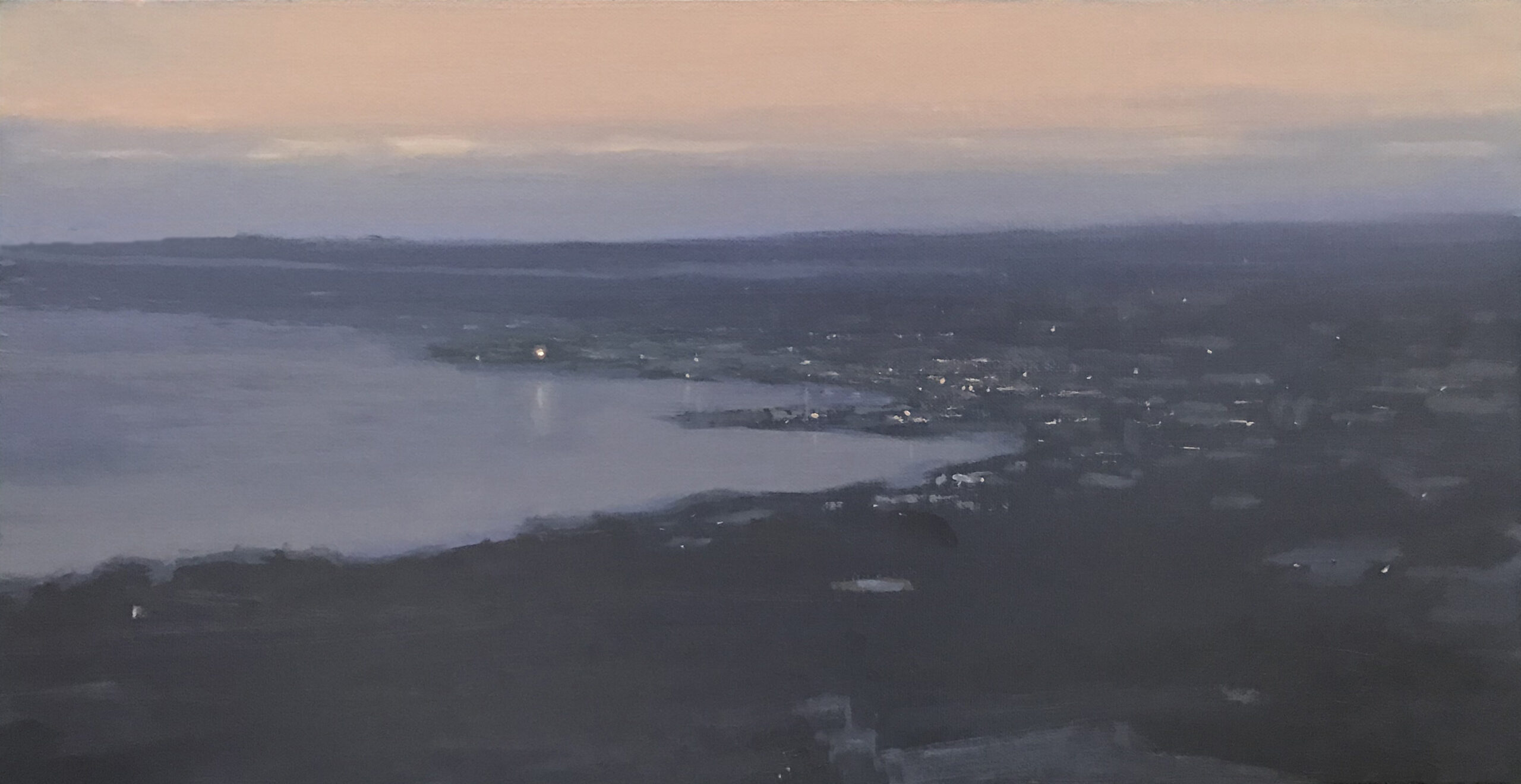
With acrylic, I can paint the entire shape of an object and not have to worry about preserving the lights or the color getting muddy. It offers me the ability to paint like a sculptor. I can create a dark, block-like shape and sculpt into it with lights. If I go too far, I can build up the dark shape again, just as a sculptor would when he adds clay back into an area.
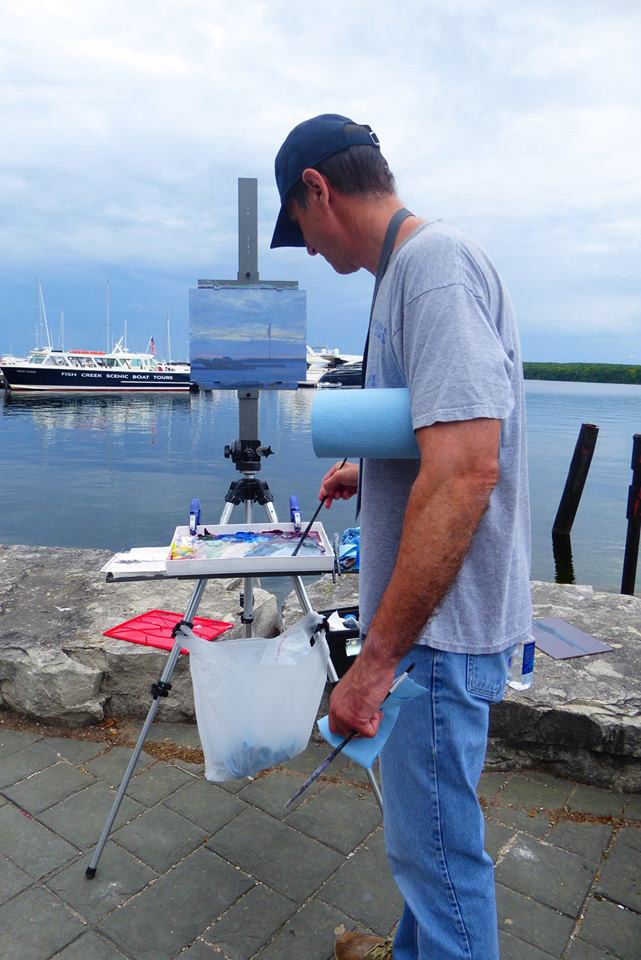
The biggest challenge is keeping the paint from drying out on the palette. I use a wet box that consists of a flat moist sponge and a moisture-conducting paper palette. When the box’s lid is sealed tight, the paint can be preserved wet for weeks. The issue is keeping the paint wet while the box is open and being used on a hot or windy day. In conditions such as these, it helps to have a water spray bottle to mist the paint. Another issue is that acrylic paint darkens as it dries, and there’s also a slight color shift. With experience, you can learn to predict the value changes and, by limiting the addition of water to the paint mixture, lessen the value shifts.
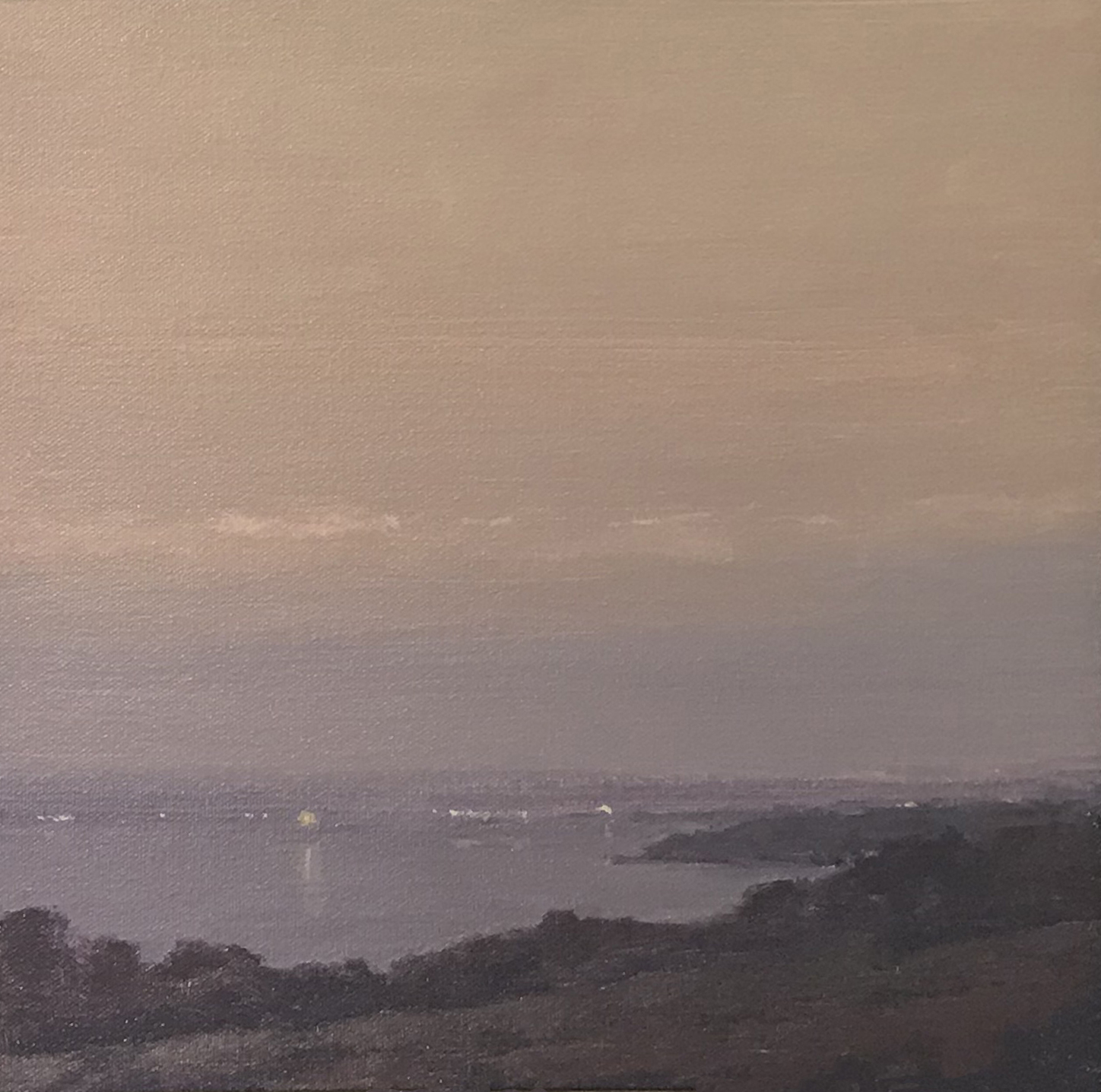
I believe the way to get the best results from any medium is to use it the way it inherently works best. I personally don’t utilize impasto-type brush marks with thick paint in acrylic. Unlike oil, acrylic tends to level out when it dries, and therefore individual bristle marks from the brush wind up disappearing. I’ve found painting thinner in acrylic will retain more of the quality of the brushstroke than painting with thick paint.
I also think it’s best to work with a medium that suits your temperament. If working with slow-drying paint is unpleasant, you’re experiencing muddy-looking color mixtures on the canvas, or oil paint’s solvent fumes are an issue, acrylic paint might be a great option. Trying a new medium can open up a whole new way of painting.
Connect with the artist at briansindler.com.
Join us for the 2nd Annual Acrylic Live virtual art conference and learn from some of the top acrylic artists and faculty from around the world. The next Acrylic Live is March 25-27, 2026, with an optional Essential Techniques Day on March 24. Register now at AcrylicLive.com! (No tech skills? No problem! If you can click a link, you can join our event!)
Browse more free articles here at OutdoorPainter.com