Artist Brooke Borcherding shares her insights on painting with acrylic, including a great tip for using acrylic en plein air.
By Brooke Borcherding
I made the switch from oils to acrylics in 2015. I have a home studio, so the simple, water-based cleanup of acrylics made it very attractive. I was also drawn to its efficiency, thanks to the faster dry time. My approach to painting requires clean broken color that would take days to dry in between layers when I was working in oil. With acrylics, I can make more progress on a painting in the same day. And because I can get through paintings faster and put in those brush miles, I’ve been able to experiment and achieve a lot of growth in my work.
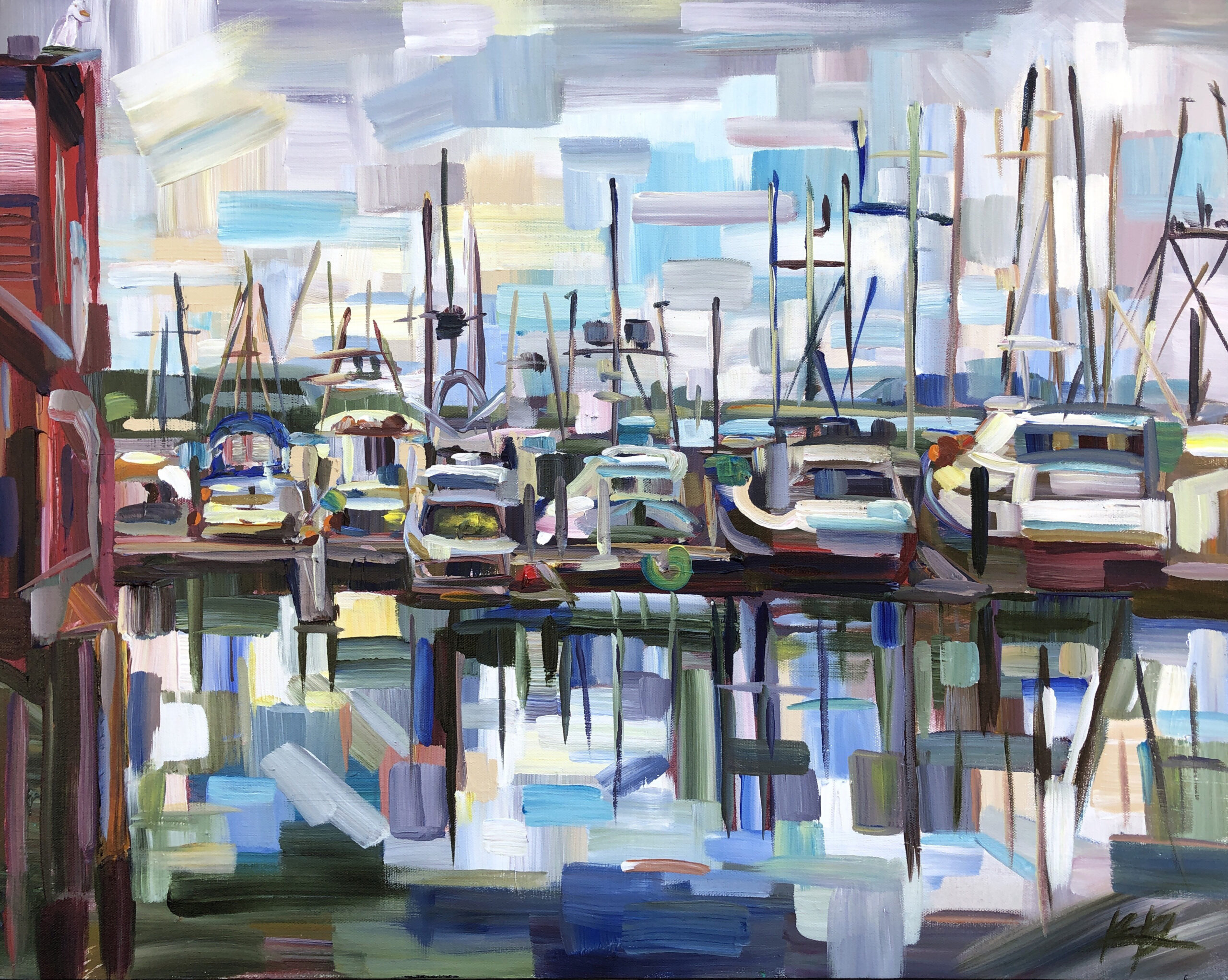
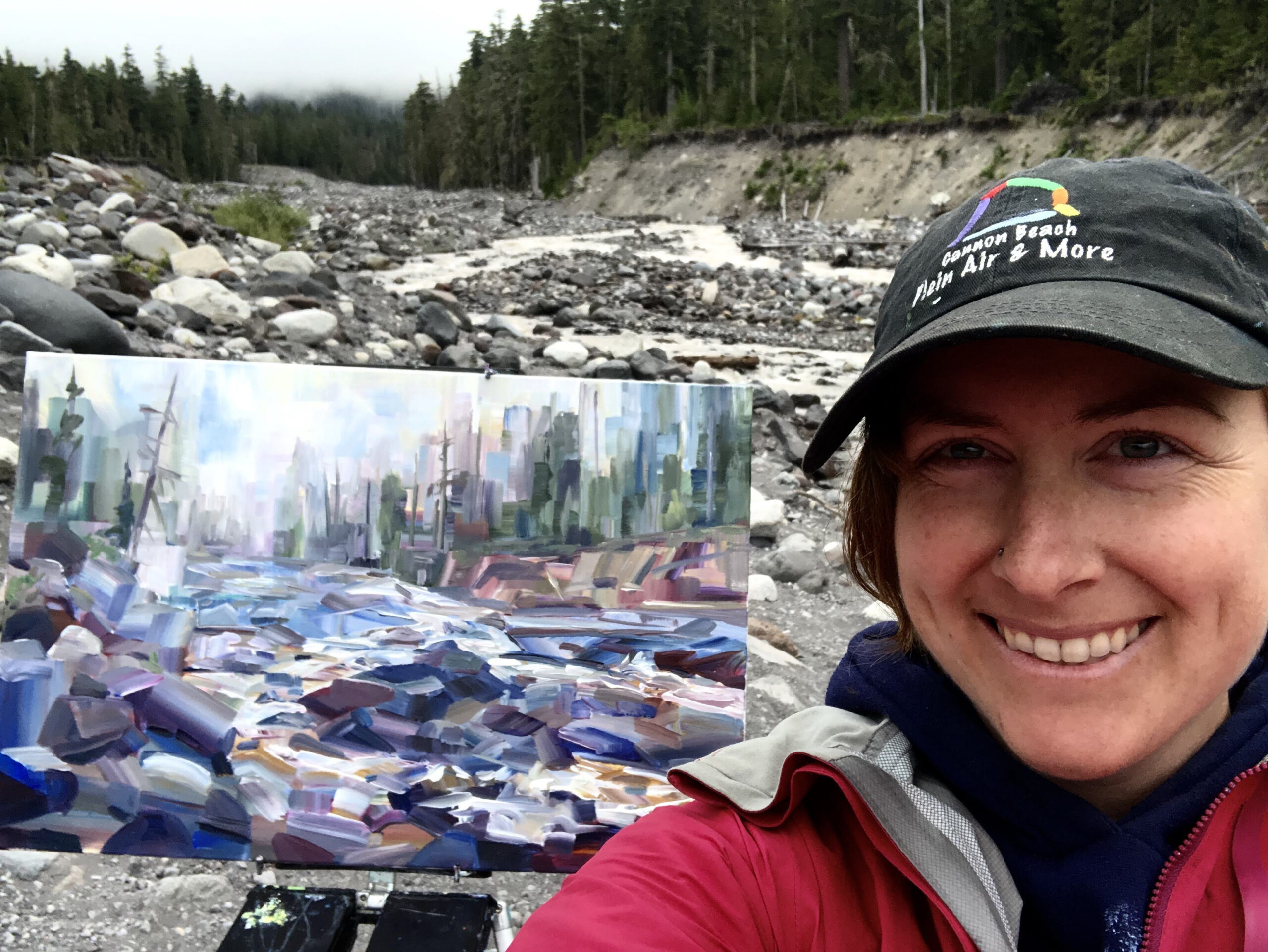
Being able to make edits on the spot makes acrylics great for plein air. It enables me to get the scene out of my system faster and then go back in and simplify or add detail, all in the same session. Not having to pre-plan as much allows for a sense of freedom, spontaneity, and fearlessness. There’s no messing up or having too much paint on my canvas. I can lay a thick stroke on top of another thick mark without worrying about getting muddy. Most recently I’ve been playing with thin washes to push areas into the distance. Glazing in oils, on the same day, on site? No way!
Wind and heat that dry out my paints quickly are the biggest challenges. I’ve developed a muscle-memory habit of spraying the heck out of my palette with a huge spray bottle every five minutes or so. I also like to thin out my paint to a consistency that’s in between heavy body and fluid acrylics. I buy big 16- to 32-ounce jugs of paint and add water to them (after I’ve used some and made space), shake them to mix, then fill my own small tubes with this smoother, more “flowy” paint to take out on site.
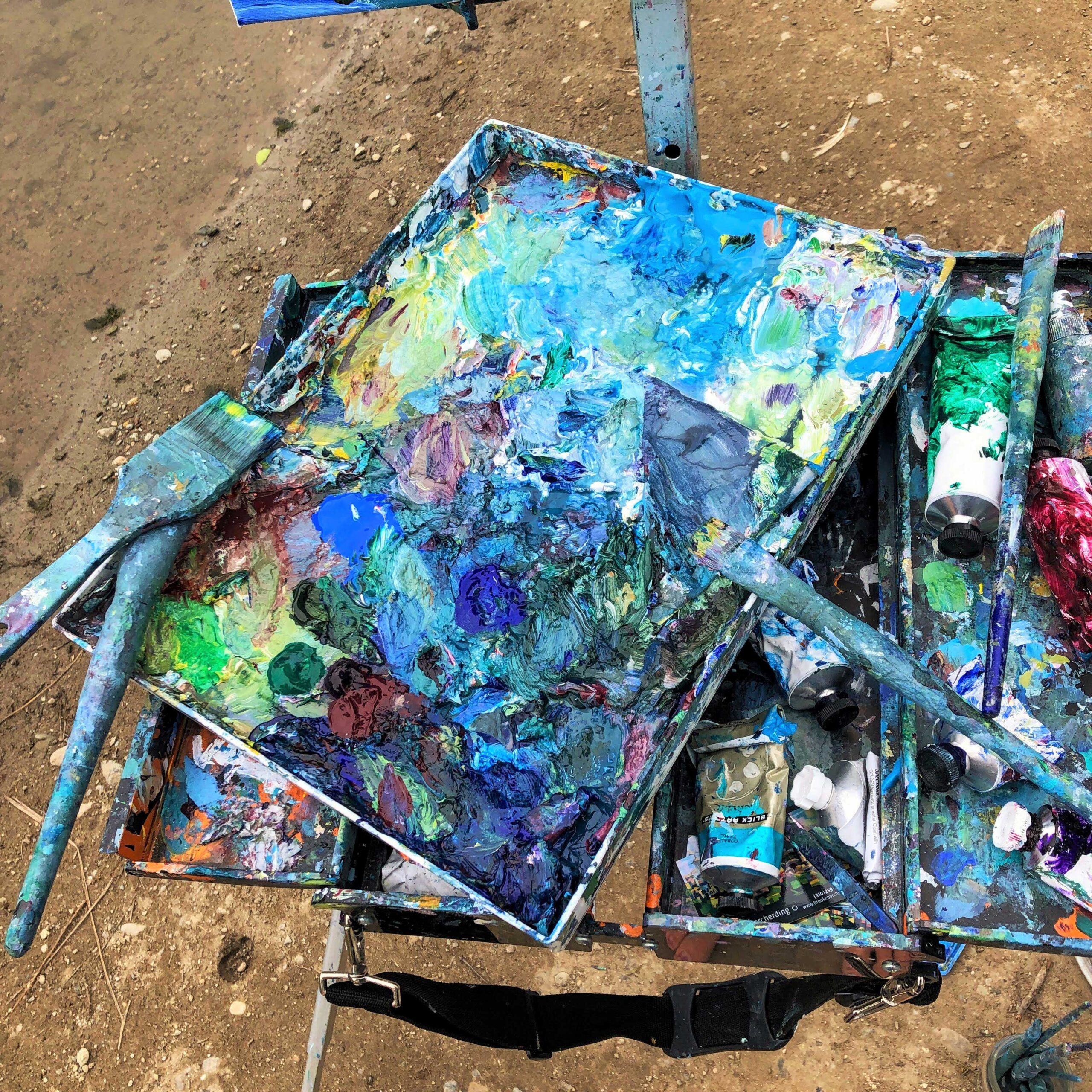
Acrylics are not for everyone, though. Definitely get ready to be frustrated the first time you try them. The quick-drying factor is probably the biggest hurdle. You need to have that water bottle handy and spray, spray, spray! Also, add bigger piles of paint to your palette than you think you need because big piles stay wet longer — they might form a skin, but the insides will have wet paint. Store them in a Tupperware palette so you don’t have to worry about waste; just use what you have left next time. I also recommend that you don’t pre-mix much, but rather let the brush do a lot of the mixing on the canvas.
If you’re used to mixing small piles of all the colors beforehand, try branching out and only mixing colors you know you will immediately use, and mix along the way.
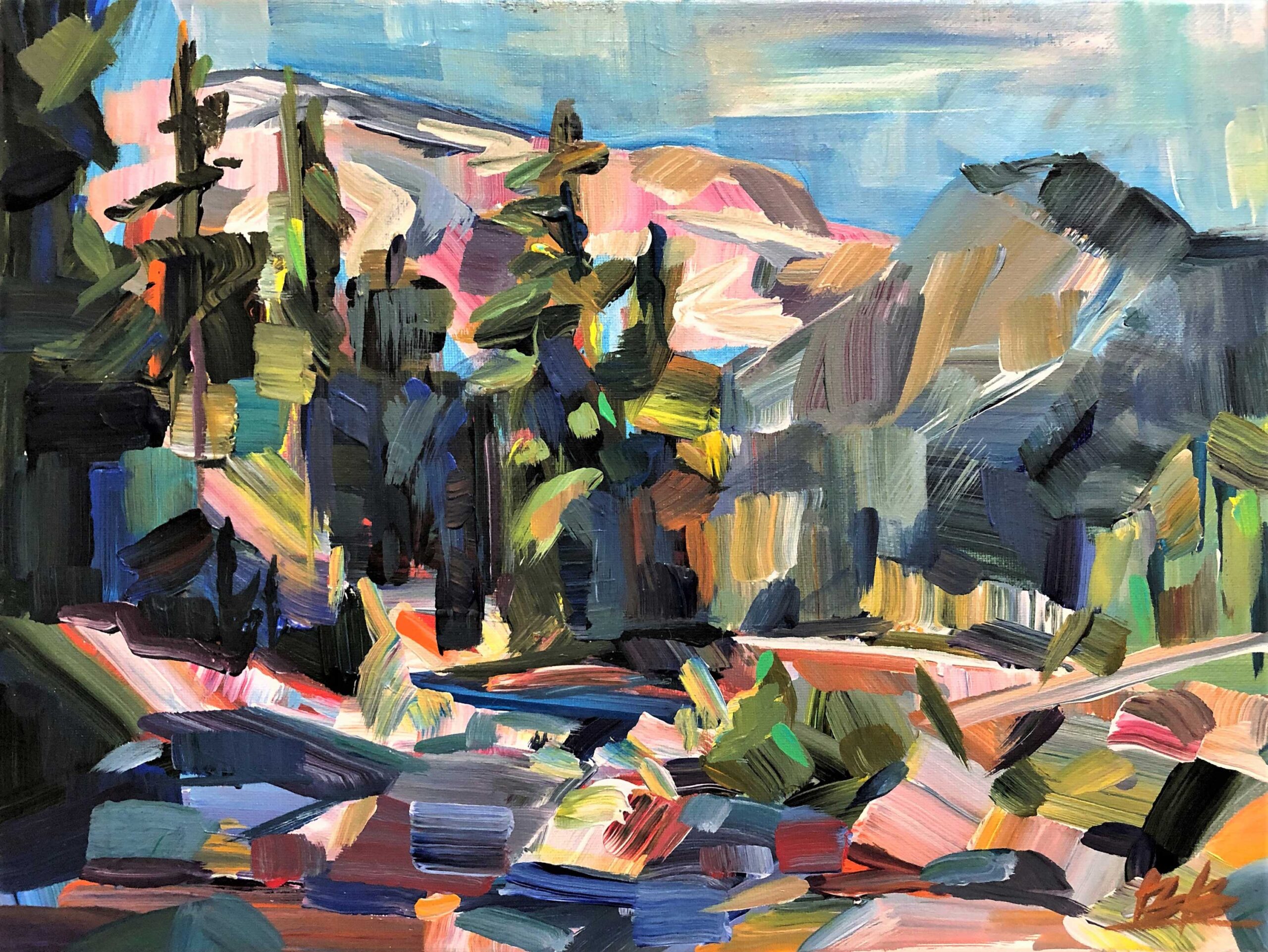
Plein air
If you’re new to plein air, try setting a timer and doing quick small studio paintings in acrylic to get a feel for its texture before going out. Be OK with not so much blending. If you’re excited about the opportunity to make fun brush marks, now is your chance to shine. Once you’ve put something down, it’s there, and you can’t muck with it because it’s already dry. If this sounds too annoying, Golden Open Acrylics are an in-between option that give you a bit more time and are easier to blend, with a consistency closer to that of oils.
In the end, just because the label on a painting reads “acrylic,” I don’t think that tells you much about the piece beyond the artist’s process or preference of medium. Quality of materials (as long as you use artist-grade paints) is not an issue.
Connect with the artist at brookeborcherding.com.
Join us for the 2nd Annual Acrylic Live virtual art conference and learn from some of the top acrylic artists and faculty from around the world. The next Acrylic Live is March 25-27, 2026, with an optional Essential Techniques Day on March 24. Register now at AcrylicLive.com! (No tech skills? No problem! If you can click a link, you can join our event!)