On Making the Switch From Watercolor to Pastel
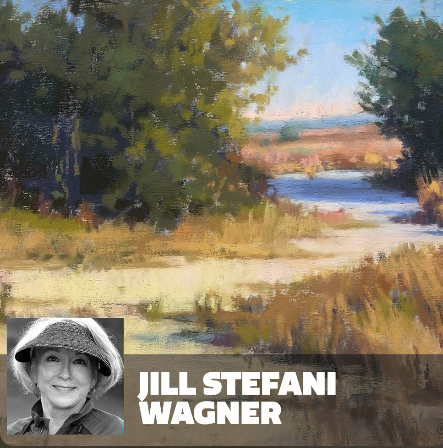
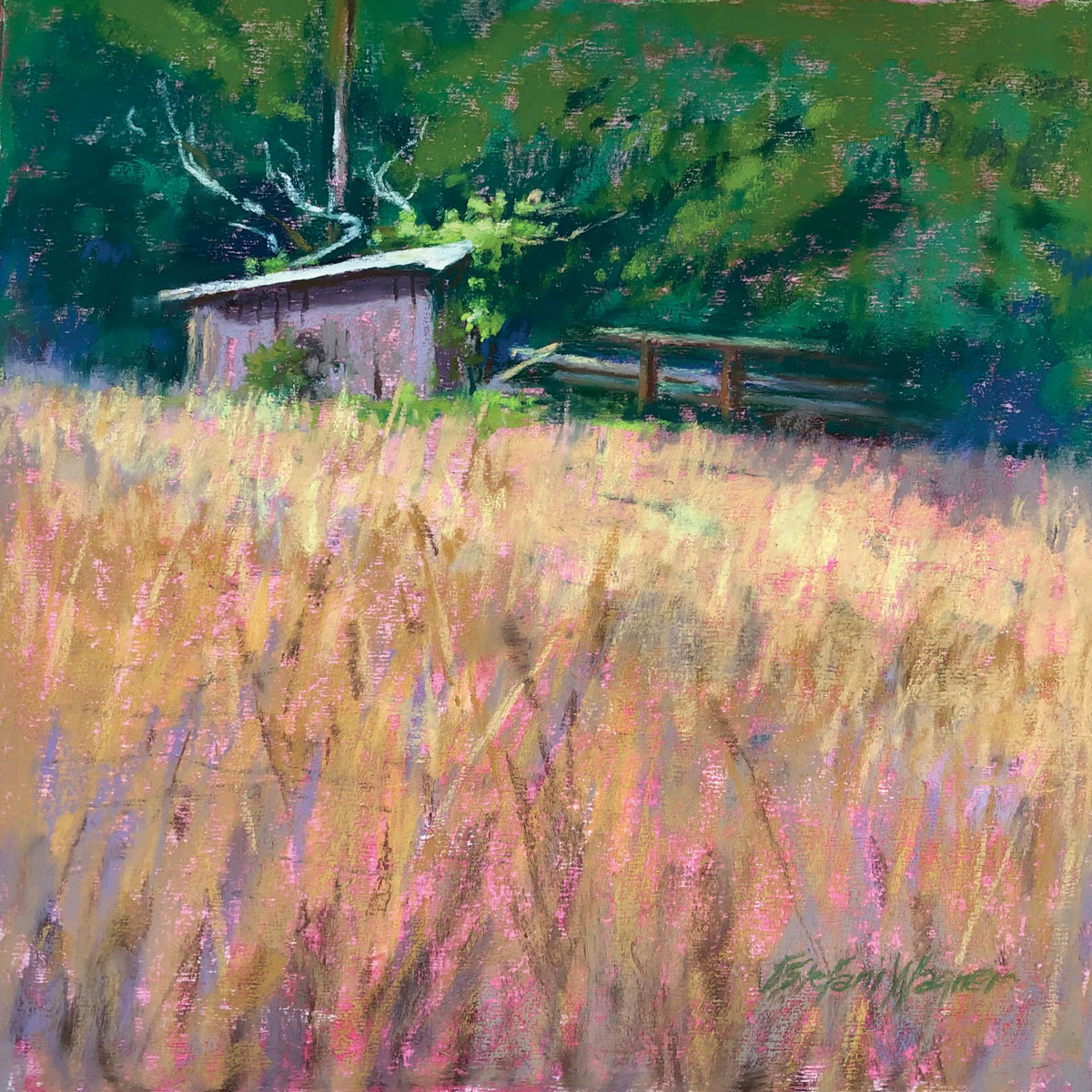
Some watercolor artists who have been drawn to pastel have found that its forgiving nature and painterly possibilities made it a compelling next step. Such was the case for Jill Stefani Wagner, who became captivated by the luminous pastels of a fellow Michigan artist and embraced the chance to explore the medium under her mentorship.
“I loved drawing, and I felt pastel painting was a natural continuation of that,” she says. But it also presented a conceptual shift: instead of working light to dark as in watercolor, she had to reverse her process — starting with a tonal underpainting and layering progressively lighter hues.
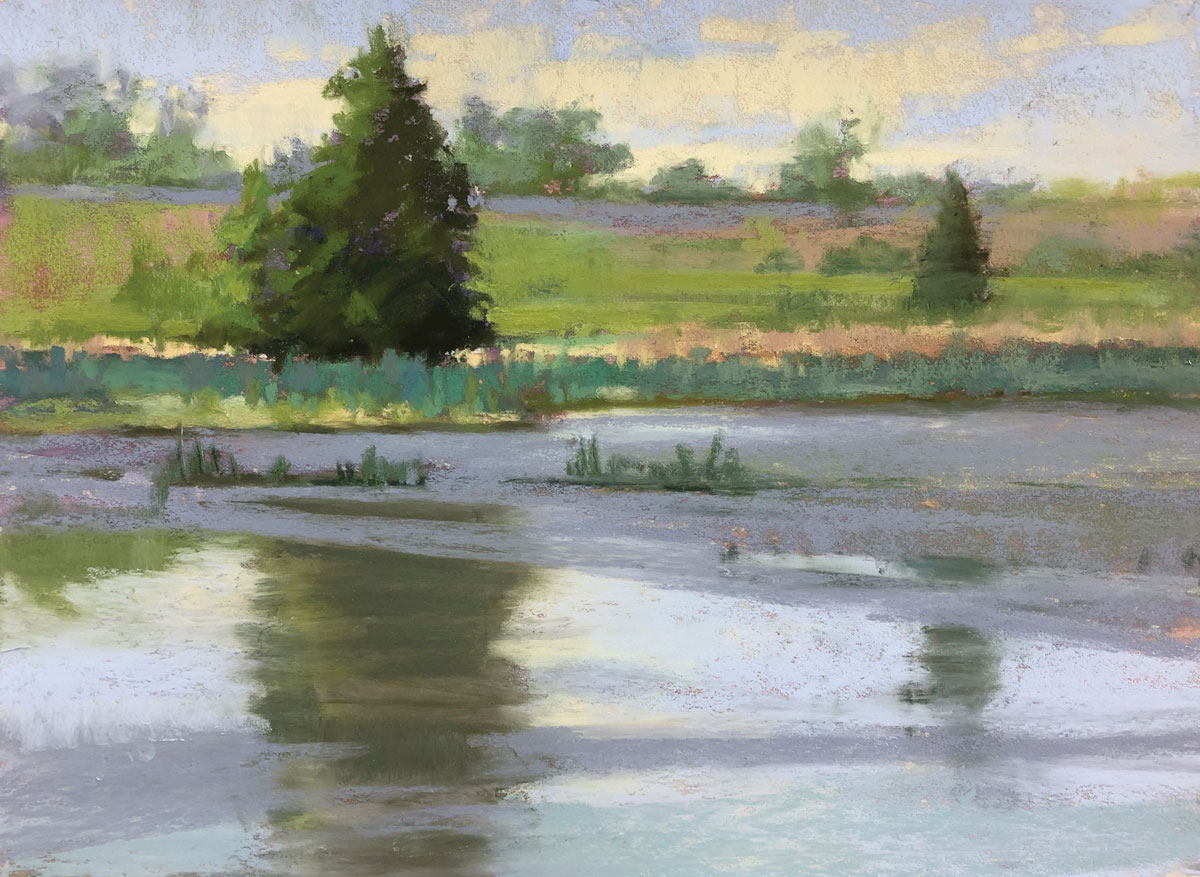
The changes she had to make extended to her plein air toolkit. “Pastels can be dusty, so I began using nitrile gloves to protect my hands and nails,” she says. Carrying around “a box of rocks,” as she puts it, also prompted her adoption of a more limited palette.
What surprised Jill most, however, was the level of control and flexibility pastels offered — both on location and in the studio. “I could paint for an hour, stop, then continue at any point without worrying about drying time,” she says. “And I could make corrections late into the process — something that’s difficult to do in watercolor.”
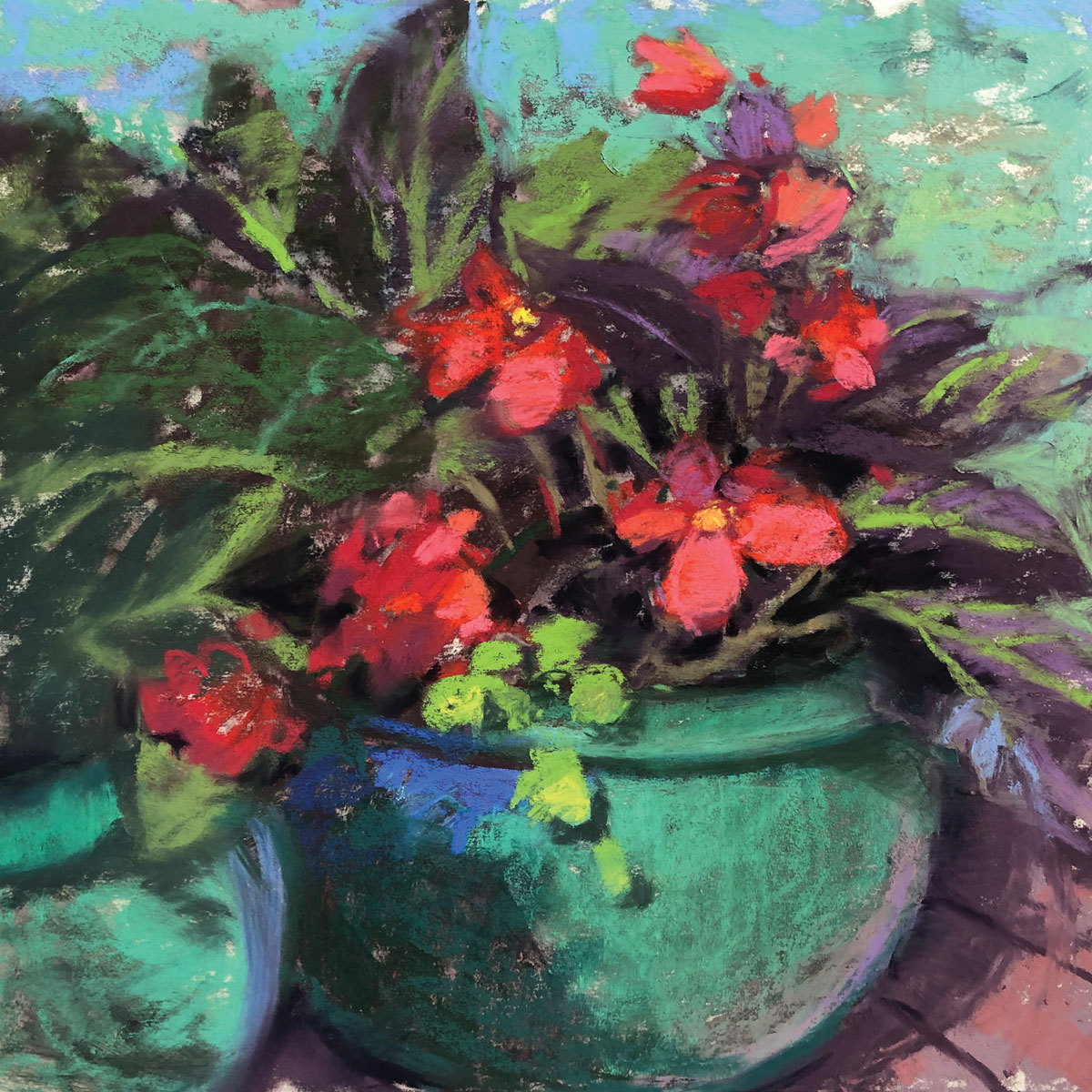
That freedom led to creative breakthroughs. Her color palette brightened, and light itself became her subject. “Light-fast and fade-resistant, pastels include only a small amount of binder — it’s like painting with pure color!” she says. “I started to look for focal points where I could accentuate my new obsession.”
To get started, she says all you need is a small set of medium-soft pastels and a few types of sanded paper. “Experiment with no expectations,” she says. “Just play.”
Don’t miss your opportunity to create lifetime memories at PACE! The next Plein Air Convention & Expo is May 14-18, 2026 in The Ozarks. All training sessions are indoors on giant, high-def screens, with plein air paint-outs in the afternoons. Beginners and pros feel right at home, so register now to join us!
Related > Browse more articles about pastel painting techniques here.
Prepared for the web by Cherie Dawn Haas, Editor of Plein Air Today