Preview the newest issue of PleinAir Magazine with the Editor’s Letter:
250 Years of Tradition
No one tells America’s story quite like its artists.
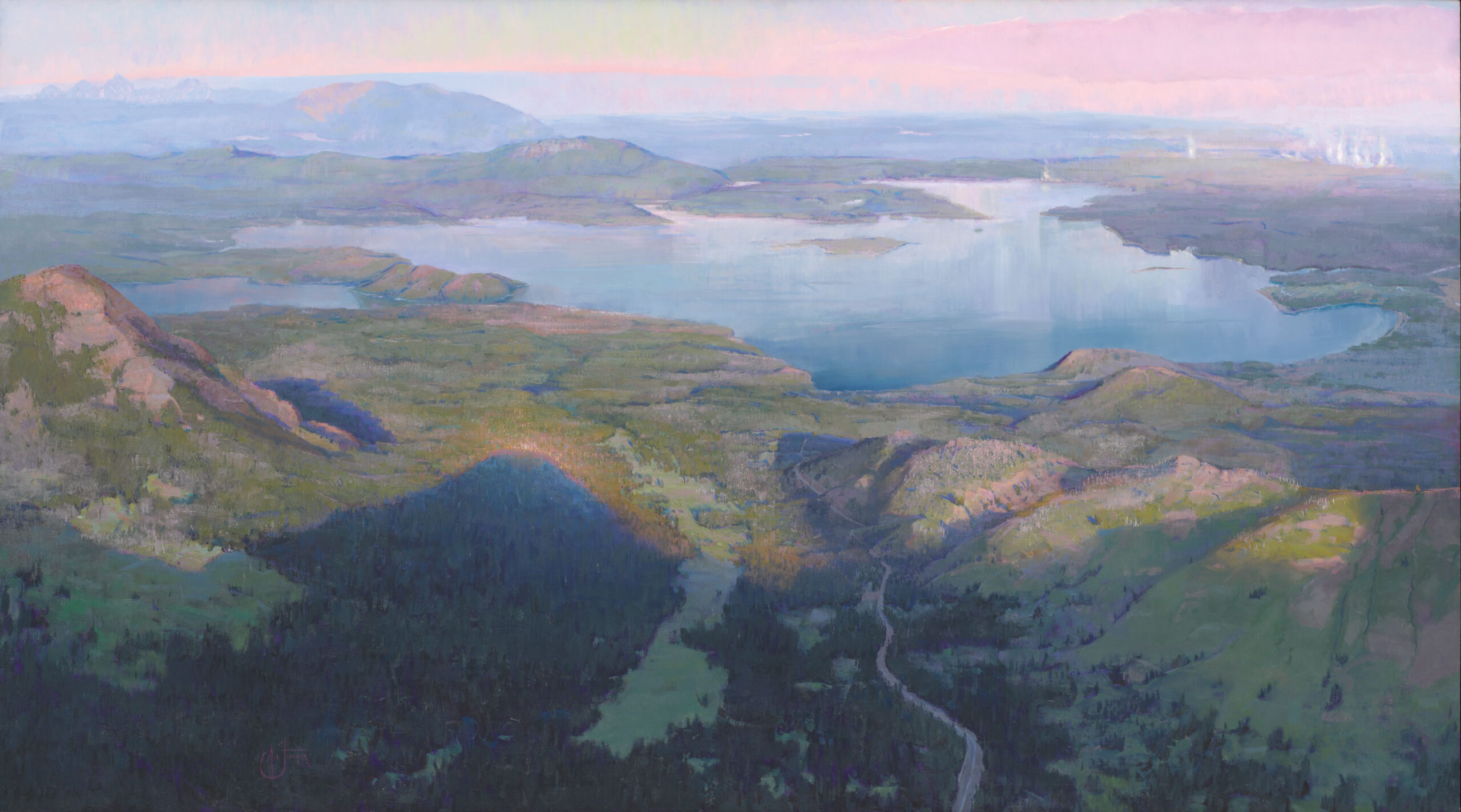
Long before Google Maps offered real-time updates or photos could be shared in seconds, painters stood before rivers, mountains, deserts, coastlines, and towns and tried to understand what this place was — and what it might become. As America prepares to mark 250 years of independence, it feels fitting to pause and consider how deeply our national identity has been shaped not only by events and ideas, but by the land itself — and by the artists who have returned to it, generation after generation, to look and respond honestly.
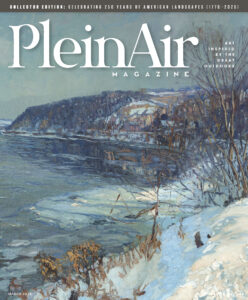
This special collector edition of PleinAir Magazine is an invitation to do just that: to explore American landscapes through the eyes of the artists who have painted them, loved them, questioned them, and helped define them.
From the wilderness cathedrals of the Hudson River School to the sun-drenched coasts of California, plein air paintings tell a story as varied as the country itself. They go beyond mere recordings of scenery. They are reflections of belief, ambition, migration, stewardship, and belonging. They reveal what we value — and what we fear losing.
Within these pages, we look backward and forward at once. We trace the movements, groups, and innovations that helped forge America’s sense of place, while also catching up with contemporary painters who are redefining what it means to paint the land today. We introduce you to artists whose work is rooted in the regions that shaped them, and artists who came to this country from elsewhere and found connection, identity, and home through painting its landscapes.
We also turn our attention to the remarkable — and often overlooked — art collections of the National Park Service, and to the conservancies whose plein air events help protect and preserve our most treasured public lands. These efforts remind us that painting has long been intertwined with advocacy. At moments when the land feels vulnerable, artists have often been among its most devoted witnesses — a role that feels newly urgent.
Climate change, development pressure, and ecological loss have altered the relationship between artists and landscape once again. For many painters today, documentation alone no longer feels sufficient. Painting has become a way to advocate, to raise awareness, and to invite deeper care. To paint a place is to say it matters.
At the same time, this issue is also a celebration — of skill passed from artist to artist, of traditions carried forward and reimagined, and of the immeasurable rewards of working directly from life. In an age shaped by screens and instant gratification, plein air painting insists on presence. It asks us to slow down, to pay attention, and to form a relationship with the land.
Perhaps that is why plein air continues to resonate so deeply. The American landscape is far more than geography. It is memory and aspiration. It holds stories of arrival and departure, of continuity and change. When artists paint it, they help us see not only where we are, but who we have been — and who we might become.
My hope is that this special issue sparks your curiosity, your creativity, and your own painting adventures. Whether you’re standing before a familiar view or venturing somewhere new, may these pages remind you that to paint the land is to participate in a long, shared conversation about place, identity, and care.
Thank you for being part of that tradition.
“Every form of Art is, in a sense, reportage. A painter records either what he sees or what he feels, or both, and in doing so often gives a vivid portrayal of happenings in his time.” — Edward Seago
Helpful Links: