

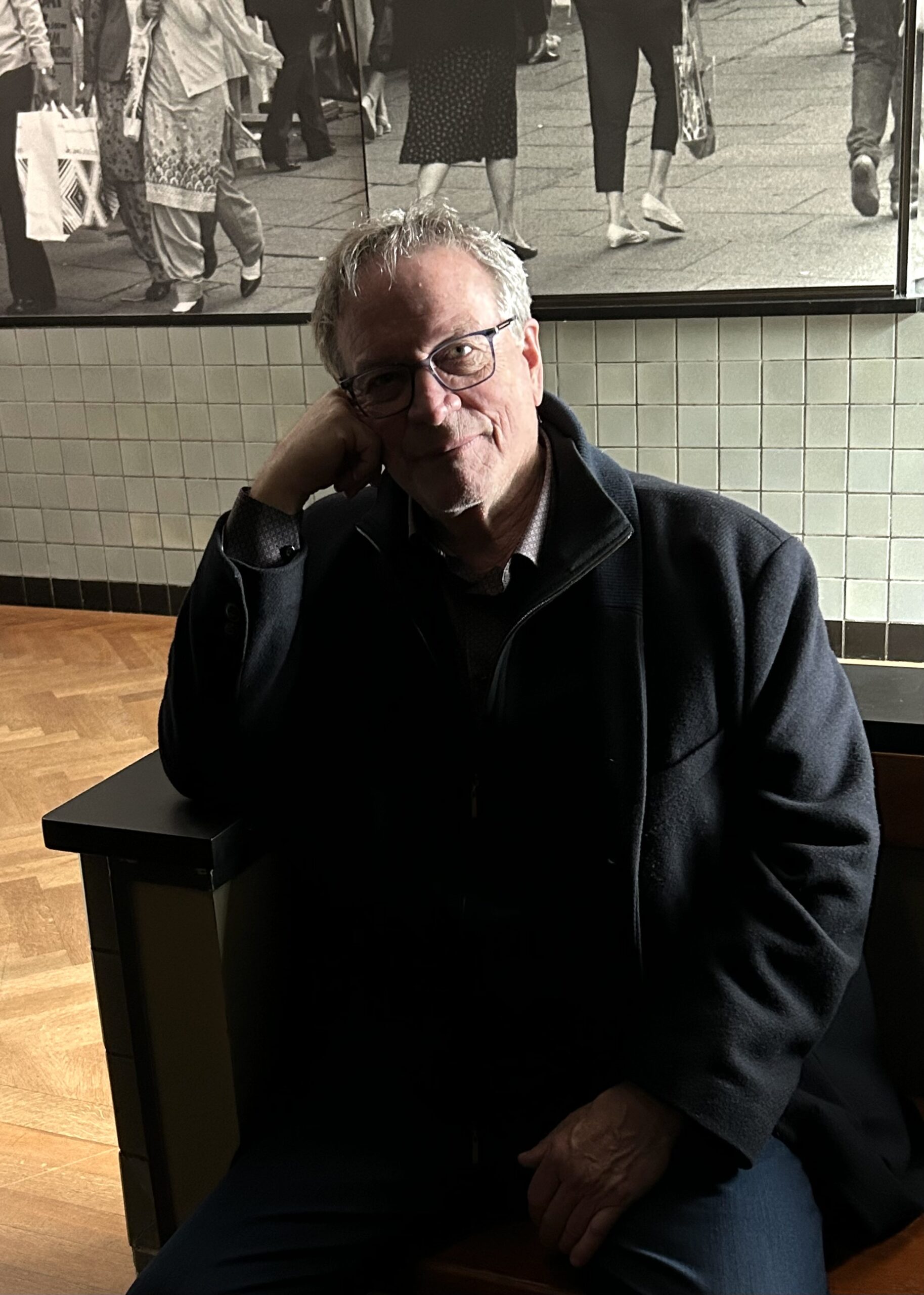
Clyde Aspevig has had a major influence on many painters all around the world, especially landscape painters. Although known best for his remarkable landscapes, Clyde is no stranger to other subjects as well. He’s a real thinker, and I appreciate his willingness to answer the following questions that would be of interest to those of us who regularly wield the brush out in nature.
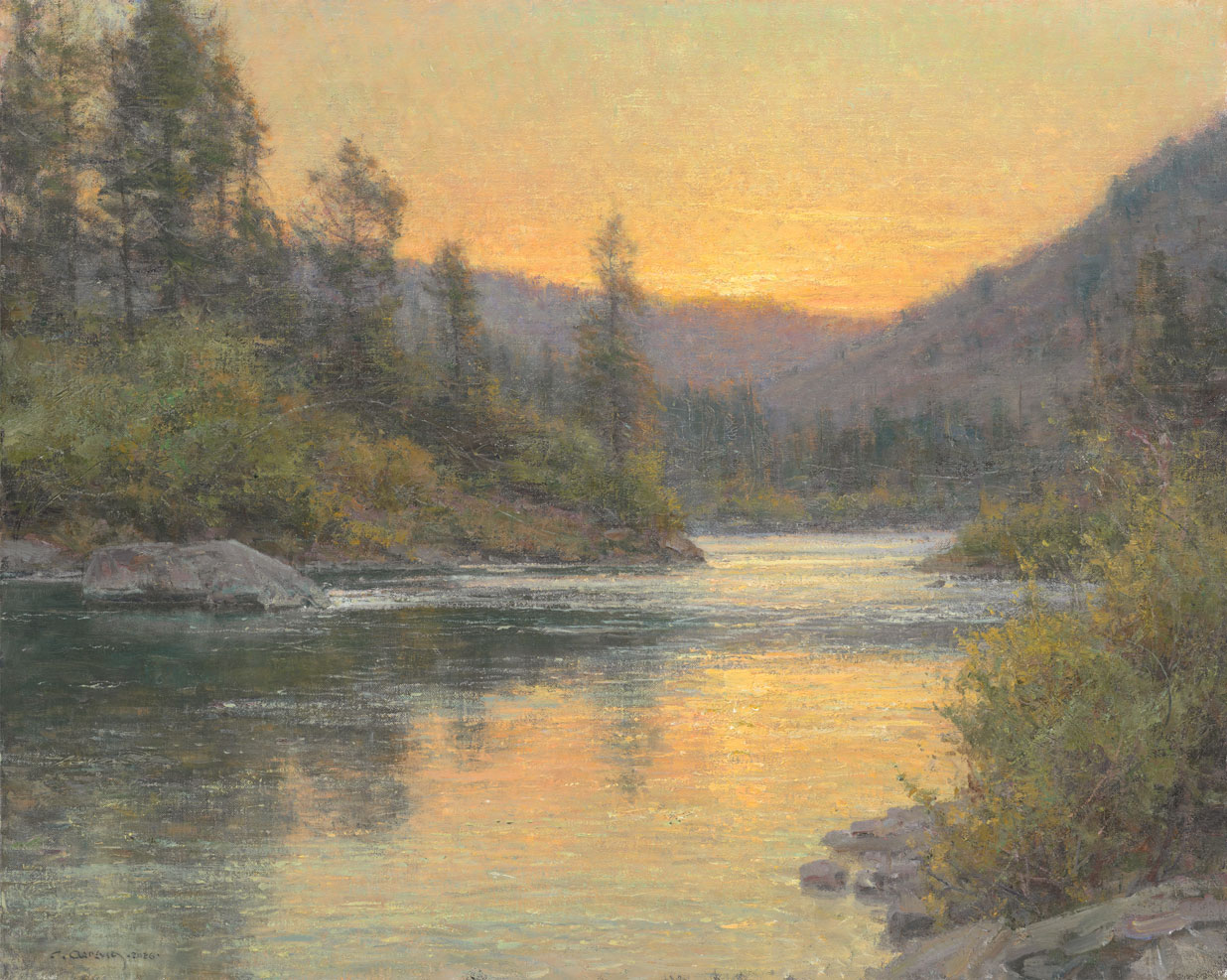
John: With all you have done and accomplished in your art, what keeps you excited each time you approach a blank canvas these days?
Clyde: First of all, a blank canvas has no boundaries, which means “anything goes.” You are your own boundary, which is the ultimate hurdle to overcome. I love the excitement and anticipation of what might happen when I allow myself the freedom to explore different ideas and perspectives. There is nothing more boring than solving problems the same way over and over again.
Which artists or schools are some of your most inspiring influences from past generations?
I fluctuate between many different periods of art history, from the caves of Lascaux to the paintings of the late Lucian Freud. Every artist who has ever created a so-called “work of art” is worth one’s attention. I like the Scandinavian and Russian painters from the 1890s to the 1950s for their landscapes and figurative work. Of course, the Sargent, Sorolla, and Zorn works are hard to beat.
It’s difficult enough for most of us artists to blend in with the environment while painting on location. How does that work for someone as high-profile as you?
Painting outdoors in Montana is a major challenge, mostly because of the weather. I would paint from inside my van with the side door open. It was a great way to work even in places that were filled with people, like in Grand Teton National Park. Wearing a big set of headphones works well when painting in crowded places. Looking for natural barriers and standing against a wall so people can’t gather is another tactic!
If you could go back in time and have a week to instruct the beginner Clyde, what would you teach yourself?
I would teach myself the ability to answer my own questions. For example, I would ask: Is the value of the object I am painting lighter or darker, or is it the same value, only a different color?
I would teach myself to intensely observe the subject, then articulate a language of my own in paint to describe the experience through trial and error. For instance, using texture and brushwork that can symbolize a form of energy is a very powerful tool to explore in landscape painting. Turner’s work is full of these types of experiments.
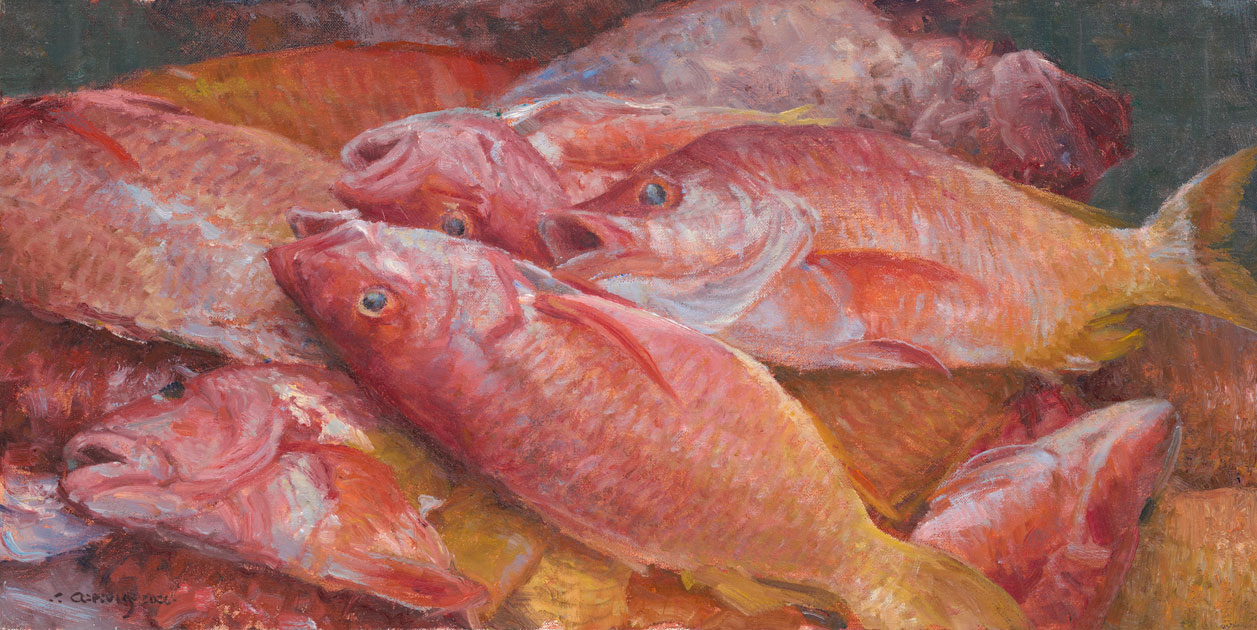
What was one of your biggest “aha moments” in your artistic development?
One of my big “aha moments” was when I realized I could never paint like John Singer Sargent. I think the “aha moments” come in a series of discoveries over a long period of time, like when you come home from a long trip and see your paintings in the studio with a fresh eye. Then, you are able to find the weak spots, which becomes an “aha moment.”
Why is landscape painting important today?
I think it’s imperative that we understand as much as we can about this living organism called Earth. Our very existence depends on this knowledge. Landscape painting instills a closer look at all the complexities that make the beauty we seek become visually tangible. Landscape painting inspires a continuous process of discovery and, of course, humbles us when we realize we don’t know much! ~Clyde Aspevig
I’d like to give a huge thanks to Clyde for his insightful answers, which are thought-provoking, humorous at times, and much appreciated! Let’s see who I get to answer the next set of Six Questions for Six Artists, coming soon at OutdoorPainter.com.
Until next time,
John
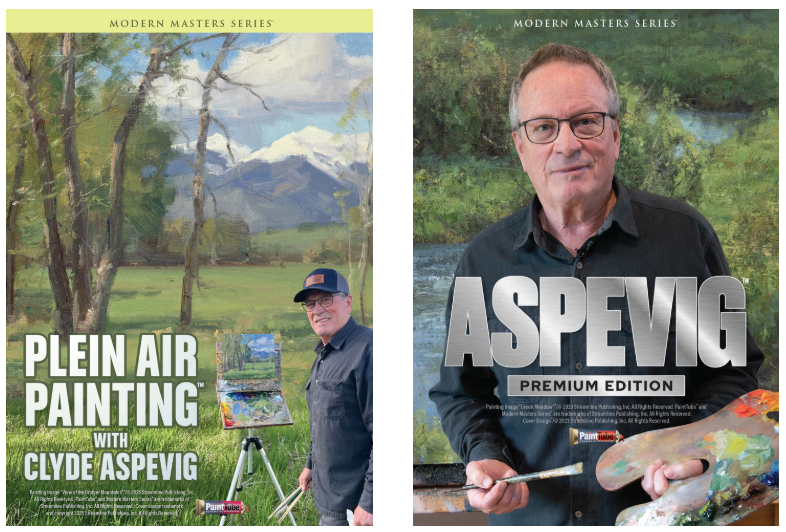
This article is sponsored by the art workshop “Plein Air Painting With Clyde Aspevig,” available at PaintTube.tv.
Blog post prepared for the web by Cherie Dawn Haas, Editor of Plein Air Today

Great interview John, insightful questions and answers.
Glad you liked it Rick, thanks for taking the time to give feedback!
Thank you to John and Clyde Aspevig for great questions and very concise and wise advice from a contemporary Master.
Thanks Suzanne, Thanks for letting me know you enjoyed this!